Low-Flow Toilets and Clogged Drains: The Argument That Won't Flush
Do water-saving toilets cause drain clogs? EPA and PERC research says 1.28 gpf is fine. The real fight starts below 1.0 gpf in long commercial drains.
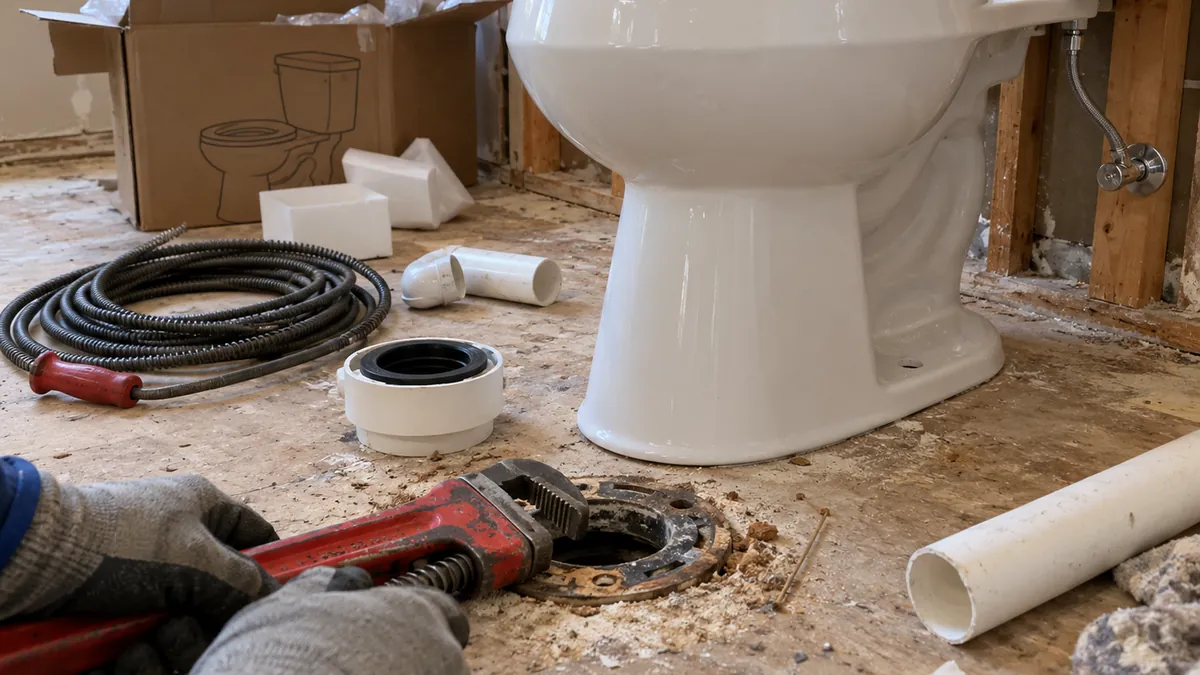
A 1.28 gpf toilet is not the drain-carry problem the argument makes it out to be. The research points to a narrower concern: commercial systems with long horizontal runs and flush volumes below 1.0 gpf.
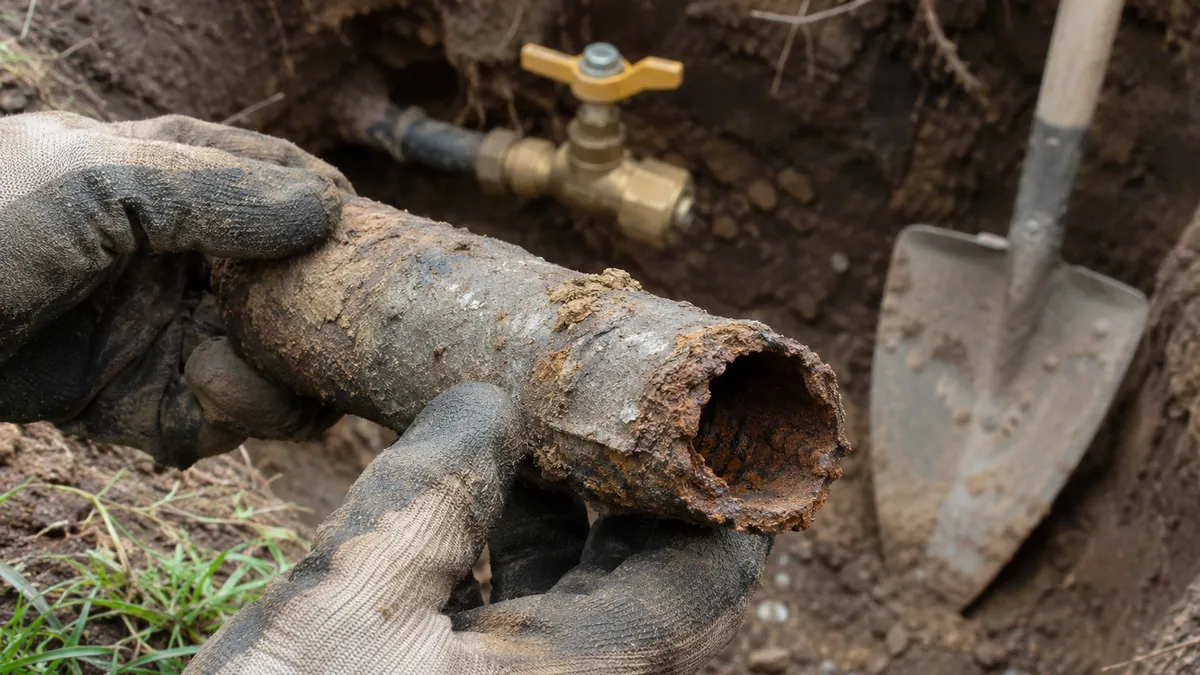
Many plumbers also say the toilet gets blamed for a problem that started in the pipe. A belly, poor venting, roots, a break, or something flushed down the line can create the callback. The toilet may simply be the fixture where the complaint shows up.
PMI says the industry may be near a tipping point
The Energy Policy Act of 1992 capped toilets at 1.6 gallons per flush. That limit took effect January 1, 1994, for residential models and January 1, 1997, for all models.
Voluntary high-efficiency specifications then cut the average flush volume another 20%, to 1.28 gpf. Some manufacturers now sell 1.0 gpf models. That is where Plumbing Manufacturers International, or PMI, says the debate has started again.
On its safeplumbing.org drainline transport page, PMI says many plumbing experts believe the industry is near a “tipping point.” PMI is focused especially on large commercial systems with long horizontal runs to the sewer. It also says drainline problems have been reported in Europe and Australia.
The PERC drainline report states that the federal reduction “was made without assessing the impact on drainline transport.” That is the point behind the concern. Less water may leave less carrying force in a long commercial line.
The research clears 1.28 gpf but not every low-flow fixture
The Plumbing Efficiency Research Coalition, or PERC, includes six groups: the Alliance for Water Efficiency, IAPMO, the International Code Council, PHCC, the American Society of Plumbing Engineers, and PMI.
PERC completed Phase 1 of its drainline transport study in November 2012. Phase 2.0 followed in September 2015. Phase 2.1 followed in March 2016.
EPA reviewed that work in its April 2022 WaterSense Performance Overview for Flushometer-Valve Water Closets. EPA stated that the studies “found that drainline blockages are not of significant concern at flush volumes of 1.28 gpf.”
That same review drew the line below 1.0 gpf. EPA said Phase 2.0 found that drainline performance becomes chaotic and can result in blockages or other performance issues at flush volumes under 1.0 gpf.
The studies examined drainline slope, drainline diameter, and toilet paper selection. PERC does not recommend toilets under 1.0 gpf for commercial applications with long horizontal drains and no added flows from faucets and showerheads.
EPA then set 1.0 gpf as the minimum flush volume for WaterSense flushometer-valve toilets, including the reduced flush on dual-flush models.
That recommendation does not apply to residential toilets. Residential drains are typically much shorter and receive extra flow from showers and clothes washers. EPA did not revisit the tank-type toilet specification because flush volumes under 1.0 gpf are viable in homes.
One contractor’s field experience points back to the pipe
Dave Yates, owner of F.W. Behler in York, Pennsylvania, made the other case in a Contractor magazine column published April 1, 2010. His column is one contractor’s field experience, not a study. It is also more than a decade old.
Yates said drain-line video showed waste often staying behind in the line, with later flushes pushing it along. He also said standard test media cannot realistically copy human waste.
His major causes of clogs were poorly installed sewer lines with bellies and toilet abuse. He specifically named wipes, feminine hygiene products, and paper towels. His advice was to look beyond the toilet bowl.
His video inspections showed no apparent rise in clog frequency when properties changed from 5 gpf toilets to 1.6 gpf toilets. He saw possibly a slight decrease. He suspected that lower-volume toilets make proper venting more important.
Yates supported 1.28 gpf toilets. His blunt summary still applies to the diagnostic question: “a sewer-line video depicting a belly, break, defect or tree roots is worth thousands of dollars!”
Listen for the problem that started before the toilet
Callers who say, “ever since we put in the new toilet,” often describe a drain that was already slow in the tub or laundry sink. That pattern points past the toilet.
Ask when the trouble started. Ask whether one toilet is affected or several. Ask whether anything was flushed that should not have been. Ask whether other fixtures drain slowly.
You also need to know whether the property is a home or a commercial building. That changes the evidence you are working from.
For a suspected sewer problem, point customers to your sewer camera inspection service. A camera can show a belly, break, defect, or roots instead of leaving you to argue about the fixture.
The same questions help with a backup call. Use the intake points in The Sewer Backup Call: What to Ask. If the customer says the problem returns, review Drain Cleaning Calls: One-Time or Recurring?.
Commercial long runs are where you draw the line
For residential work, the research and EPA do not treat 1.28 gpf as a drain-carry problem. Look at slope, bellies, venting, roots, and the material going into the line before blaming the fixture.
For commercial buildings with long horizontal drains, do not specify under 1.0 gpf. That is where the evidence points to trouble, especially when faucets and showerheads do not add flow.
Be direct with the customer on the phone about the kind of call being described. “My toilet keeps clogging since the remodel” is a recurring call type and a callback risk. Review The “It’s Doing It Again” Callback Call before the truck rolls. If the customer expects a free return visit, your trip fee policy needs to be clear.
When a caller says a toilet keeps clogging, Bella asks when it started, whether other fixtures drain slowly, and whether the building is residential or commercial. She writes the answers into the job notes and books the visit around the clock, including nights and weekends.
Plumber Secretary plans are Starter at $95 per month, Growth at $295 per month, and Pro at $495 per month. To hear Bella answer, call the demo line at (669) 284-5564. You can also use the demo page. For the office, the phone number is (707) 620-5284.
This season, treat 1.28 gpf as acceptable in residential work, reject under 1.0 gpf for commercial long horizontal runs, and ask the pipe questions before blaming the toilet. That change in the first phone call can keep a slow drain from becoming your next callback.