The 'It's Doing It Again' Call: Handling Callbacks Without Losing the Customer
The callback is the most emotionally loaded call a shop gets. Handle it right and you keep a customer for life; handle it wrong and you lose them and earn a one-star.
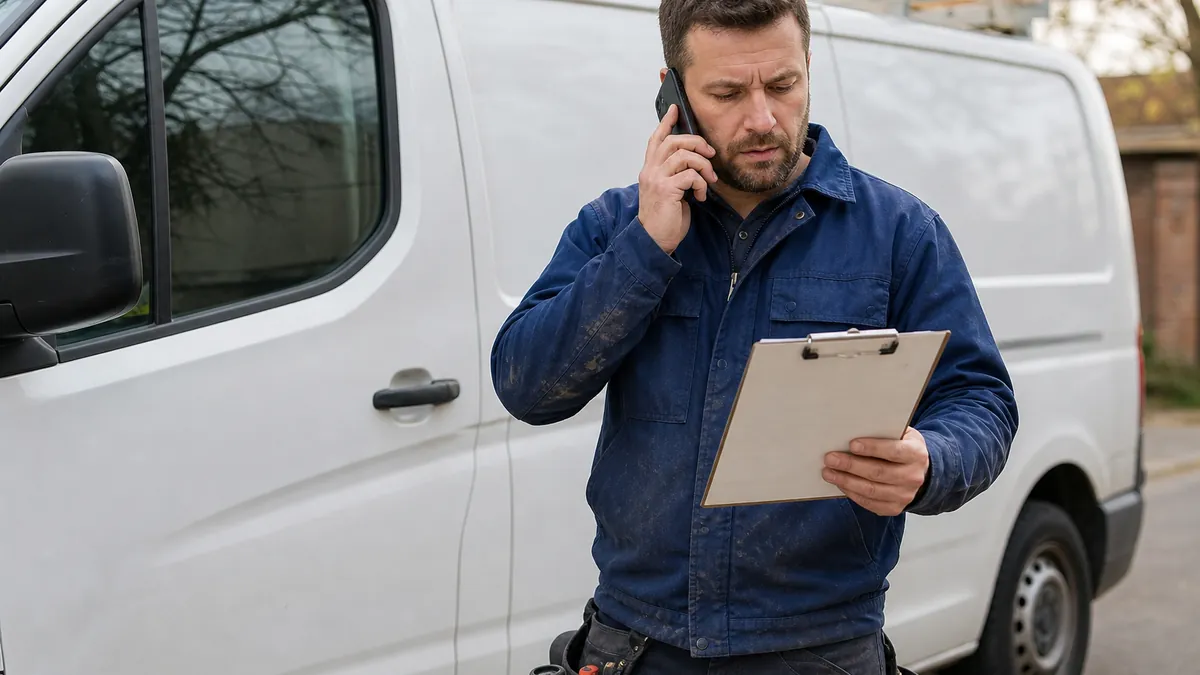
Every plumber knows the call. “You were just out here last week, and it’s doing it again.” The customer is somewhere between worried and angry, half-convinced they got ripped off, and how the next sixty seconds go decides whether they’re a customer for life or a one-star review by tonight.
A shop we work with used to dread these. Now they treat them as one of the most important calls they get, because they are.
The call nobody wants but everybody gets
Callbacks happen to good plumbers. Sometimes it’s the same problem coming back, sometimes it’s a new issue the customer assumes is related, sometimes it’s a misunderstanding about what was fixed. The trigger doesn’t matter as much as the feeling: the customer trusted you, paid you, and now feels let down. They’re primed to tell the story to everyone they know. The DIY-gone-wrong call carries the same emotional charge, an embarrassed customer who needs help, not a lecture.
Why the response matters more than the fix
Here’s the thing most shops get backwards: the customer will forgive the problem coming back far more easily than they’ll forgive a bad reaction to it. Get defensive, go slow, or lead with “well, that’s a separate issue and it’ll cost you” and you’ve confirmed their worst fear. Answer fast, take it seriously, and get them on the schedule quickly, and you’ve done something better than the original job: you’ve shown them what happens when something goes wrong.
That response is also your best protection against the reviews that actually hurt. A frustrated callback handled badly is a one-star waiting to happen; the same call handled well often becomes a five-star because you made it right.
Memory turns a callback from cold to handled
The shop we work with had a customer call back a few days after a repair, clearly upset. The difference now is that the call didn’t start cold. Bella recognized the number and the recent visit, greeted them by name, pulled up what was done last time, and flagged it to the owner as a priority callback, not a fresh lead.
The owner called back within the hour, already knowing the history, and had someone out the same day. The customer went from “I’m telling everyone” to one of their most loyal accounts. The repeat customer who feels remembered doesn’t go shopping, and nothing tests that like a callback.
The catch is the same as always: a callback that hits voicemail confirms every bad assumption the customer already has. Being reachable the moment they call is half the save.
The takeaway
The “it’s doing it again” call is a fork in the road for a customer relationship. Answer it fast, take it seriously, and lead with making it right, and the callback that could have cost you a customer ends up locking one in.
See how it handles a callback with the history already in hand.