The Sewer Backup Call: What to Ask Before You Roll the Truck
A sewage backup is messy, urgent, and easy to misjudge over the phone. Here's what to nail down before you load the truck, and which ones can't wait.
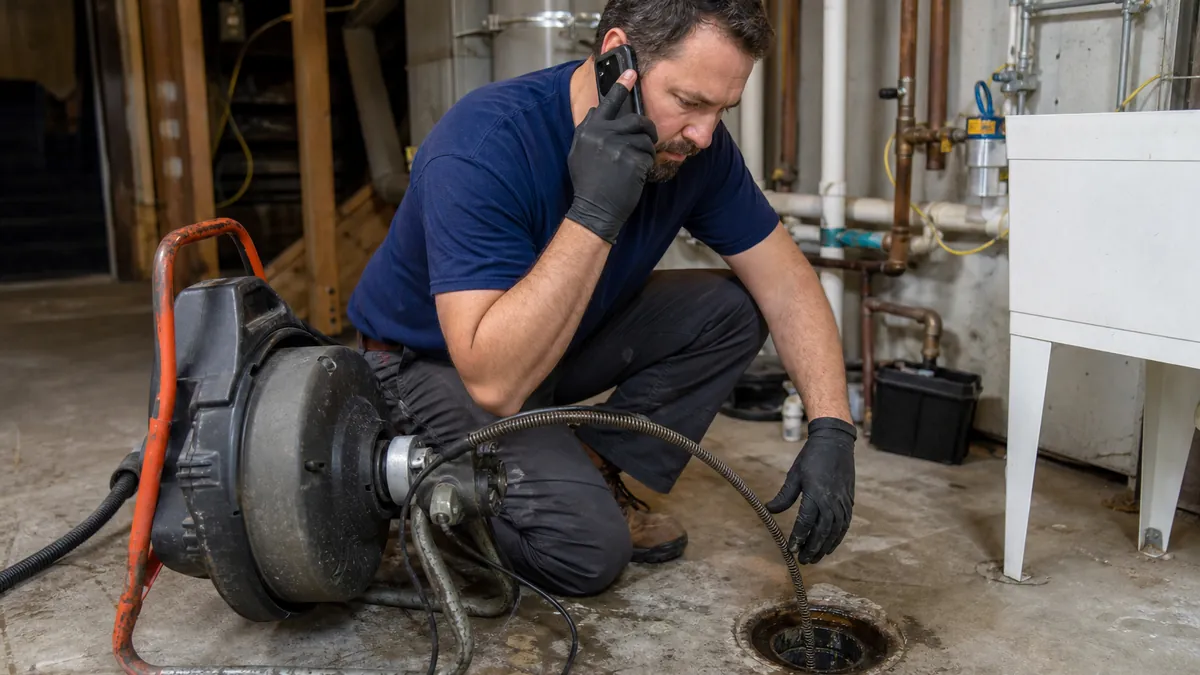
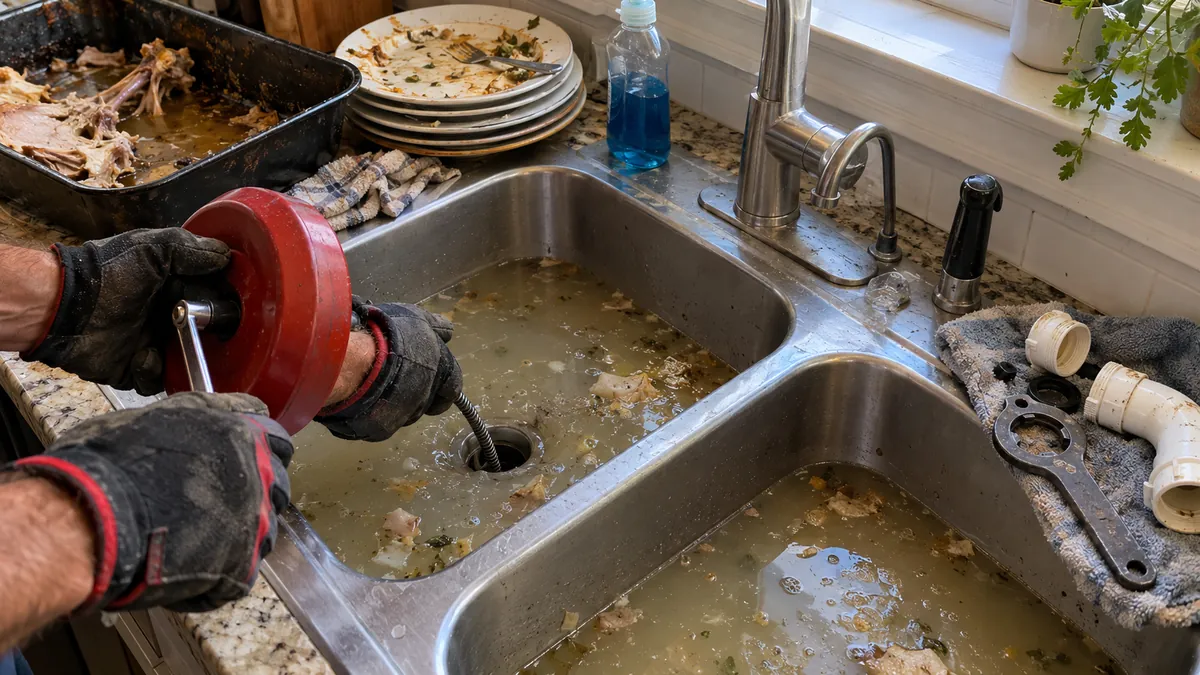
“The sewer’s backing up.” It’s one of the more alarming calls a shop gets, and one of the easiest to misjudge from four words. Behind it could be a single clogged branch line you’d clear in twenty minutes, a main-line blockage that needs a heavy auger, roots that call for a hydro-jetter and a camera, or a municipal problem that isn’t even yours to fix. Show up with the wrong gear and you’re rescheduling, on a job where the customer can’t use a single drain in the house.
A few questions on the phone tell you which truck to load and how fast to move.
”The sewer’s backing up” is several different jobs
The same complaint covers a slow tub on one end and raw sewage rising in the basement on the other. One is routine. The other is a health hazard the customer is standing over right now. The phrase alone won’t tell you which: the follow-up questions will.
The questions that scope a backup on the phone
You don’t need a master plumber on the line to gather these. You need someone who knows to ask:
- One fixture or the whole house? A single slow drain is its own, smaller job. Multiple fixtures backing up at once points at the main line.
- Where is it coming up, and how much? A gurgle is different from sewage on the floor.
- Any heavy rain lately? Storms and groundwater can flag a municipal or septic issue, not a simple clog.
- City sewer or septic? Completely different diagnosis and next steps.
- Is there a cleanout, and can you get to it? It changes how fast you can work.
- Has it done this before? A repeat backup usually means roots or a deeper line problem: bring the camera.
Capture those and you arrive with the auger, the jetter, or the camera you actually need: the same discipline as scoping a water heater on the phone or any solid intake call.
Which ones are emergencies
A whole-house backup with sewage entering the home is an emergency: it’s a health hazard and the customer can’t run water until it’s cleared. That needs the same fast triage as any after-hours emergency: flag it, get the critical details, move. A single slow drain can be booked on a normal schedule. Knowing the difference before you commit your day is the whole point of asking.
And when the customer asks what it’ll run, you can answer the price question honestly with a range based on what you just learned, instead of a blind guess.
Sewer calls don’t keep business hours, and a backing-up main feels like a crisis at 9pm. Bella asks this exact set of questions on every sewer call, flags the true emergencies, and texts you a clean ticket (fixtures affected, where, recent rain, septic or city, access) so you roll out ready.
The takeaway
“The sewer’s backing up” is the start of a diagnosis, not the diagnosis. Six questions on the phone tell you whether you’re bringing a hand auger or a camera and a jetter, and whether it’s a tonight job or a Tuesday one.