Should You Charge a Trip Fee? What It Does to Your Phone Calls
A trip or diagnostic fee filters out tire-kickers and pays for your windshield time, but it changes how every phone call goes. Here's the trade-off.
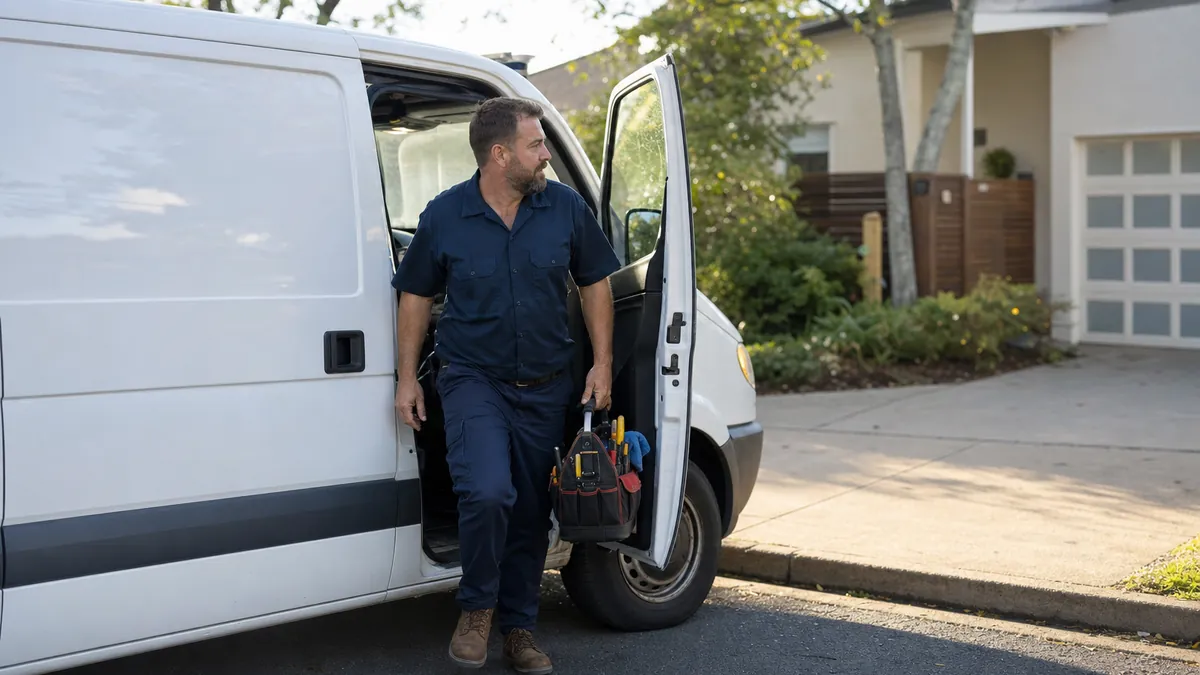
A trip fee, sometimes called a service-call or diagnostic fee, is a charge just for showing up and assessing the problem, usually credited toward the work if the customer goes ahead. Plenty of shops swear by it; plenty refuse to charge it. The honest answer is that it’s a real trade-off, and most of that trade-off plays out on the phone before you ever get in the truck.
What a trip fee actually buys you
Two things, mainly. First, it pays for your windshield time. Drive time and fuel are real costs, and a trip fee stops you from eating them on jobs that go nowhere. Second, it’s a filter. The customer who’s just collecting five free opinions to find the cheapest quote usually won’t pay to have you out, which means the people who do book are more serious, and your day fills with real jobs instead of tire-kickers who waste a slot.
The catch: it lives or dies on the phone
Here’s the part shops underestimate. The trip fee’s whole reputation is made in one sentence on the phone. Spring “that’ll be a service-call fee just to come out” on a customer cold, and a lot of them hear “this shop nickel-and-dimes you” and hang up to call the place that didn’t mention it. The fee itself isn’t the problem. How it’s introduced is.
That puts it right alongside the “how much will it cost?” conversation, a moment where the words matter as much as the number.
How to present it so customers accept it
Framed well, most customers are fine with it. The move is to tie it to value, not just access: “We charge a diagnostic fee to come out and properly figure out what’s going on, and that goes toward the repair if you move forward.” Now it sounds like a real diagnosis they’re getting, not a toll for the privilege of your time. Whoever answers your phone has to be able to deliver that cleanly and confidently: a mumbled or apologetic version does more damage than no fee at all.
Either way, the call has to be answered
Whether you charge one or not, none of it matters on a call that rings out. The shop that picks up first gets to have the conversation at all; the one at voicemail never gets to explain its fee or its value. Bella answers every call, explains your pricing the way you’d want it explained, and books the job, so your fee policy actually gets a chance to work for you.
The takeaway
A trip fee can pay for your drive time and screen out the time-wasters, or it can scare off good customers, and which one happens is decided almost entirely by how it’s said on the phone. Get the wording right and answer every call, and the fee earns its keep instead of costing you jobs.