New Jersey Just Switched To The 2024 Plumbing Code
New Jersey's plumbing subcode became the 2024 National Standard Plumbing Code on August 17, 2026. Here is what changed, what it means for jobs already bid, and how to handle a code cycle switch.
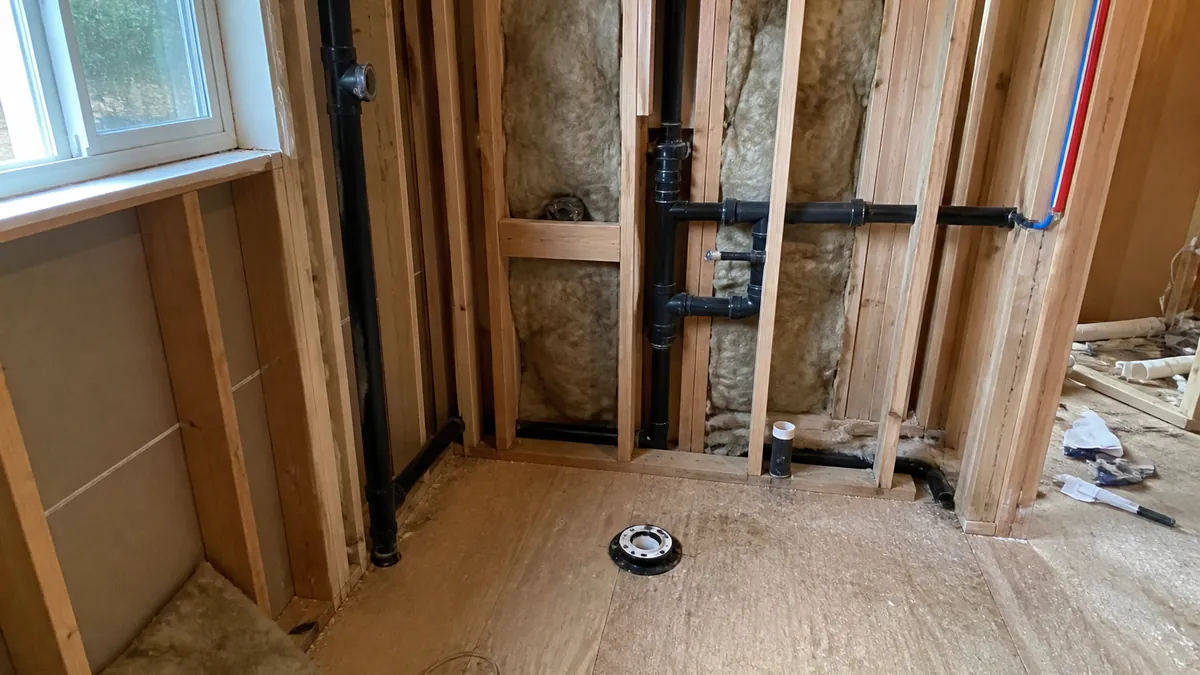
On August 17, 2026, New Jersey’s plumbing subcode changed. The state’s Division of Codes and Standards adopted the 2024 National Standard Plumbing Code, New Jersey Edition, replacing the 2021 edition that shops there have worked under since 2022.
The Department of Community Affairs lists it as the current plumbing subcode now. IAPMO, which publishes the NSPC, announced it on August 31.
If you work in New Jersey, your code book is out of date. If you do not, keep reading anyway, because your turn comes on a cycle and this is what the first month looks like.
The part most people miss
It was not just the plumbing subcode.
New Jersey flipped the building, electrical, energy, mechanical, residential, and fuel gas subcodes on the same date. That matters on a job where you are the plumber but somebody else is pulling the mechanical permit, because everyone on that site is adjusting at once. So is the person inspecting it.
New Jersey has run on the NSPC since the Uniform Construction Code was adopted in 1977, which makes it unusual. Most of the country works from the International Plumbing Code or the Uniform Plumbing Code. If you cross state lines for work, this is one more reason to check which book applies before you quote.
What actually changed
IAPMO’s announcement names these as the notable revisions in the 2024 edition:
- Wet venting requirements were completely revised
- Air admittance valves moved to Chapter 12
- Provisions for all-gender toilet facilities and adult changing stations
- Updated water closet compartment and urinal partition standards
- New pre-rinse spray valve flow rates
- Appendix G updated with excerpts from the 2020 Water Efficiency and Sanitation Standard
- The Water Demand Calculator added as a sizing option
- Updated standards in Chapter 18
That last pair is worth sitting with. The Water Demand Calculator showing up here is the same shift covered in why water supply pipe is getting smaller. It is spreading through the model codes, not just through state alternate approvals.
Wet venting is the one that touches your week
Most items on that list affect a specific kind of job. Pre-rinse spray valves are a commercial kitchen concern. Adult changing stations show up on public buildings.
Wet venting is different. It is residential rough-in, on bathroom groups, on the work a lot of shops do every week. “Completely revised” is not a small phrase in a code book. If you have a rough-in method you have used the same way for four years because it always passed, that is exactly the habit a revised venting chapter will catch.
The air admittance valve relocation to Chapter 12 is mostly a navigation change, but it will cost you time the first few times you go looking in the old spot.
Read those two chapters before your next rough-in. Not the whole book. Those two.
What about work already bid or permitted?
This is the question that actually costs money, and it is the one you should not take from a blog post, including this one.
Whether a permit application filed before August 17 is reviewed under the old edition or the new one is a question for the construction official in the town where the job is. Practice varies, and the answer can turn on whether the application was complete when it was filed.
Call the office. Ask specifically about the jobs you have in the pipeline, by permit number if you have them. Do it before somebody shows up for a rough-in inspection, not after.
If you have quotes outstanding that assumed the old venting layout, price the ones that have not been signed yet against the new chapter. A revised venting section can change a fitting count, and a fitting count change on a signed fixed price is your problem, not the customer’s.
What to do in the first month
Five things, in order:
- Get the New Jersey Edition, not the base 2024 NSPC. The state amendments are the whole point, and a generic copy will tell you the wrong thing.
- Read the wet venting chapter and Chapter 12.
- Call your construction official about jobs already filed.
- Reprice unsigned quotes that depend on venting layout.
- Tell your techs what changed. One conversation now beats a failed inspection later.
That last one gets skipped constantly. The owner reads the code update and the guy actually running the pipe never hears about it.
Shops on Bella tend to notice this kind of transition in the call summaries before they notice it in the code book. In the weeks around a subcode switch, a chunk of the calls coming in are homeowners and GCs asking some version of “is my permit still good,” and those get flagged as emergency-triage-adjacent even though nobody is leaking anything. If your answering setup can’t tell the difference between that question and an actual burst pipe, you end up rolling a truck for a phone call.
If you are not in New Jersey
Every state does this. Yours will flip editions eventually, and the pattern is the same each time: an adoption date lands, the local edition has amendments, one chapter changes more than the rest, and there is a stretch where nobody in the field is quite sure which edition a given permit falls under.
You can see it coming if you look. Watch your state’s code adoption page rather than waiting to hear about it from an inspector, and check whether your state licensing board requires code update training on the new edition. Keeping up with this is part of what makes a shop worth working for, which is the same idea behind running a registered apprenticeship: the shops that stay current keep their people.
Frequently asked questions
When did New Jersey’s new plumbing subcode take effect? The Division of Codes and Standards adopted the 2024 National Standard Plumbing Code, New Jersey Edition, on August 17, 2026, and the Department of Community Affairs now lists it as the current plumbing subcode.
Which edition does it replace? The 2021 National Standard Plumbing Code, which New Jersey adopted in 2022.
Did other subcodes change too? Yes. New Jersey’s building, electrical, energy, mechanical, residential, and fuel gas subcodes carry the same August 17, 2026 date.
Is the Water Demand Calculator now required in New Jersey? It was added as a sizing option in the 2024 NSPC. An option is not a mandate. Confirm with your local official before you submit a job sized that way.
Does the old edition still apply to my open permits? Ask the construction official in that town. It can depend on when the application was filed and whether it was complete, and the answer is not uniform across New Jersey.
Do I need to buy the New Jersey Edition specifically? Yes, if you want the version that governs your work. The state adopts the model code with its own amendments, and those amendments are what an inspector holds you to.
The takeaway
A code cycle change is not dramatic. It is a date, a new book, one chapter that changed more than the others, and a few weeks of uncertainty about which edition your open permits fall under. Handle it in that order and it costs you an afternoon. Ignore it and it costs you a failed inspection on somebody’s finished wall.
The afternoon is the hard part to find. Code reading loses to a ringing phone every time, and the calls do not stop because you are behind on the code book. Bella’s emergency triage is built to sort the “is my permit still good” calls from the actual burst pipes, then texts you a summary of what each caller needed, so the reading gets done and the job still gets booked without every call pulling you off the page. See a 10-minute demo.