The Buyer Whose Inspection Found a Leak Days Before Closing
When a home buyer calls about an inspection report with closing a few days out, the job is won or lost on three intake questions. Here is how one shop stopped making two trips.
At 7:15 on a weeknight, a first-time buyer called a two-truck plumbing shop after reading her home inspection report.
We’ll call her Dana. This is a composite story.
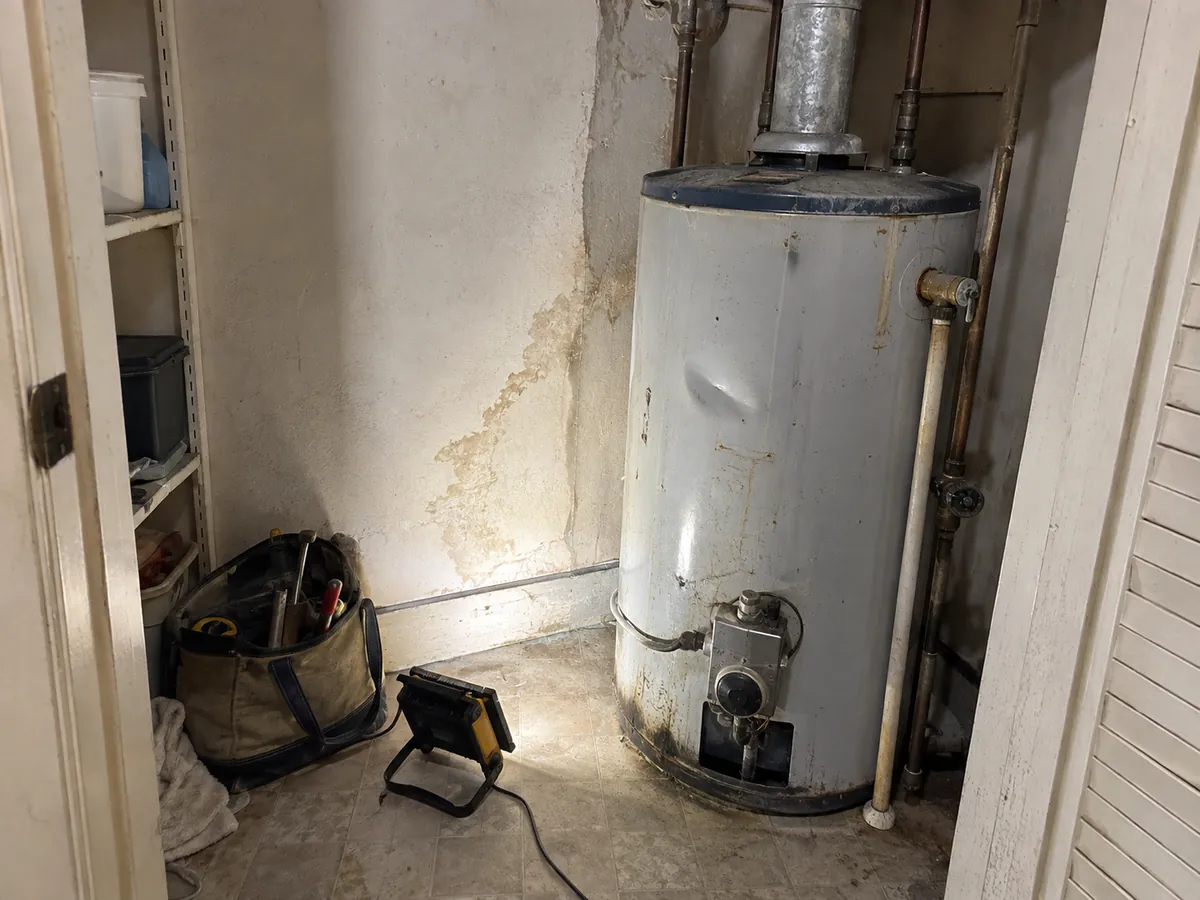
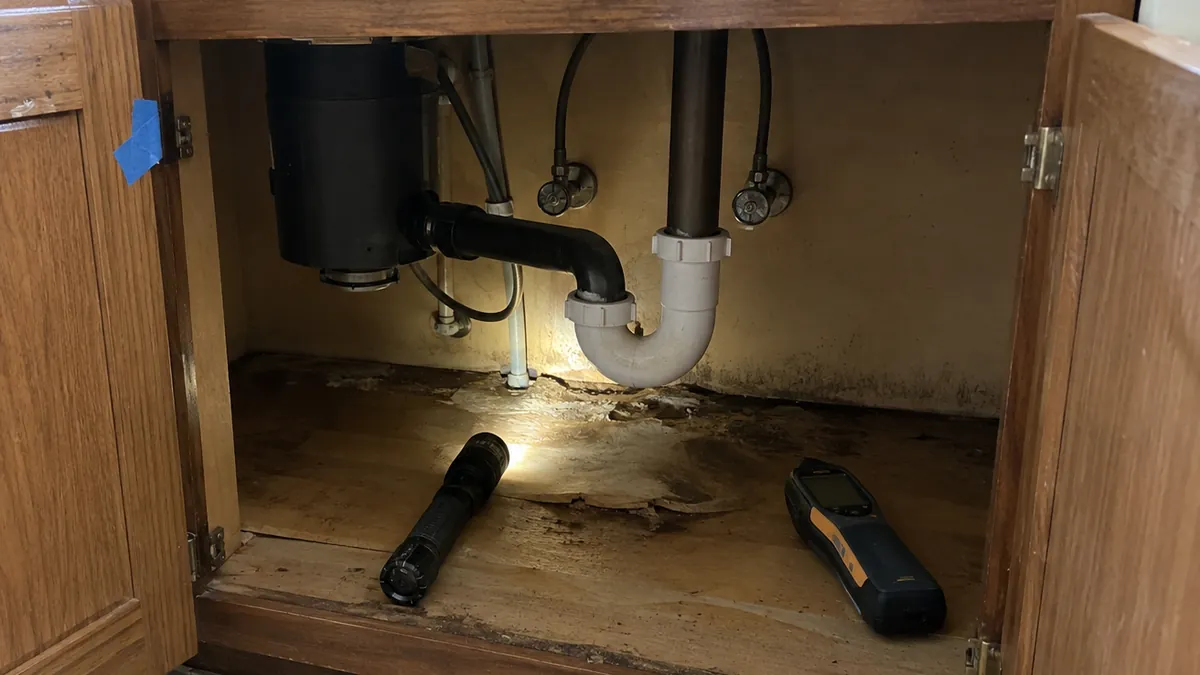
The inspector had flagged active moisture under the kitchen sink. The report also mentioned an old water heater with a corroded relief valve discharge line. Dana’s closing was only a few days away. She needed to know what the plumber would find, how much the work would cost, and whether the problem could be repaired before the sale closed.
Those calls tend to come in the evening. The buyer has finally sat down and read the full inspection report, often the same night the report lands. That is exactly when a small shop’s phone is going to voicemail.
The caller almost always says the word “closing” in the first sentence or two. That is your signal to switch to three questions.
Marcus used to send the plumber out before checking access
We’ll call the owner Marcus. He runs a two-truck shop.
Before this call, Marcus’s office treated inspection-related calls like any other service request. The note might say, “leak under sink, buyer, wants someone ASAP,” followed by a cell number.
The technician would arrive and find that nobody could let him in.
The buyer did not own the house yet. The seller still controlled the property. The listing agent had the lockbox. The technician had to leave and come back for a second trip. By then, the buyer had another plumber’s estimate.
That was not a plumbing failure. It was an intake failure.
The deadline was fixed. The caller was working through an inspection list. The estimate had to reach the right person so the buyer and seller could negotiate a repair or a credit. The first plumber to respond with a workable plan had the advantage. That is the same pattern covered in The First Plumber to Call Back Usually Wins.
Three questions tell you whether the visit will happen
When a caller mentions an inspection or a closing, ask for the closing date first. That is the real deadline.
Then ask whether they need an estimate only or the repair completed before closing. Those are different jobs with different scheduling pressure.
Next, ask who controls access to the house. It is usually the seller or the listing agent, not the caller. Get the listing agent’s name and phone number. If the buyer’s agent is handling access, get that information instead.
The third question is where the written estimate goes. Does it go to the buyer, the buyer’s agent, or both? The estimate is not just a price for the person on the phone. It is the document the parties use while negotiating the repair or a credit.
Ask the caller to send the inspection report page before the appointment. The technician should know what was flagged before arriving. In Dana’s case, that meant seeing the notes about moisture under the kitchen sink and the old water heater discharge line before the visit.
These details belong in the first call record. If they are missing, the appointment is not ready.
Bella captured the details while Marcus was still off the phone
Marcus had started sending overflow and after-hours calls to Bella.
Bella answers every call live around the clock, books the job straight onto the shop’s calendar, and sends the owner a call summary by text or email.
When Dana called at 7:15, Bella heard “inspection” and “closing.” She asked for the closing date. She asked who could let the technician into the house. She got the buyer’s agent’s name and number. She noted that Dana was the buyer, not the owner.
Bella booked the earliest open slot on Marcus’s calendar. That evening, Marcus received a text summary with the call details.
The next morning, he called the listing agent to arrange access. He completed the visit and prepared the written estimate in one trip. Dana’s agent used the estimate to settle a repair credit with the seller. The dollar amount is not the point. The point is that the estimate got completed before the negotiation stalled.
If Dana had reached voicemail, she would have kept calling. Buyers and agents are working down a list. The shop that responds first and has access arranged gets the opportunity. When a customer already has another plumber’s quote, the call becomes a second-opinion situation. The Second Opinion Call covers why that call needs its own handling.
The agent remembered who picked up at 7 p.m.
Marcus did more than win one inspection job.
Dana’s agent now had a plumber who picked up at 7 p.m. and showed up with access sorted out. Real estate agents keep short lists of trades they trust. When they hand that list to every client, one well-run call can produce the next call.
That is why agents are a strong referral source for plumbing shops. The relationship is not built by dropping off a card. It is built by answering when the inspection report arrives, getting the right person on the phone, and avoiding a wasted trip. Real Estate Agents: The Referral Source Most Plumbers Overlook covers that referral pattern.
On the Growth and Pro plans, Bella also remembers the customer’s history. When the same agent calls again with the next client, the relationship is already on file. You do not have to start from a blank note each time. The customer memory feature is part of why repeat business grows from ordinary calls. See Customer Memory: The Feature That Builds Repeat Business.
Plumber Secretary plans are Starter at $95 per month, Growth at $295 per month, and Pro at $495 per month.
Put these three questions into your intake today
When the caller mentions an inspection or closing, add these questions to the intake script:
- When is closing?
- Who can let us in?
- Where does the estimate go?
Also ask for the inspection report page. Record whether the caller needs an estimate, the repair completed, or both. Get the listing agent’s contact information before the technician leaves for the house.
You can hear how Bella handles a call on the demo page. The demo line is (669) 284-5564. Plumber Secretary’s main line is (707) 620-5284.