The Second-Opinion Call: When the Customer Already Has Another Plumber's Quote
A caller who already has someone else's number in hand is closer to booking than almost anyone else who rings your phone. Here's what to ask, and what not to say.
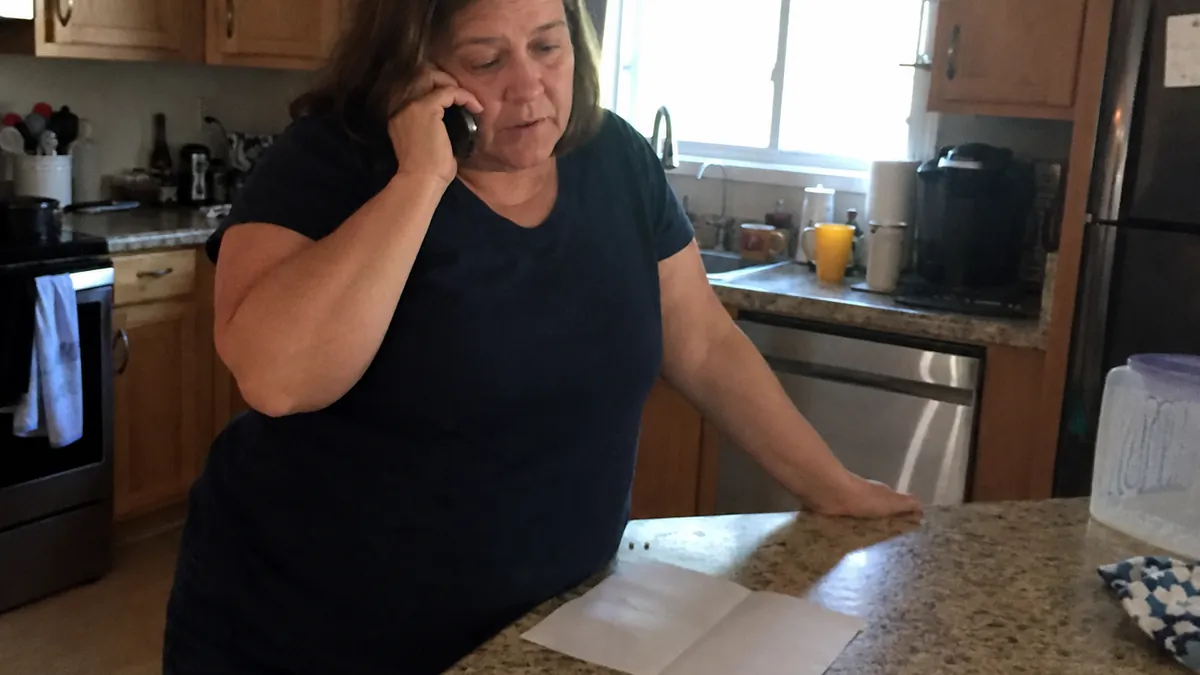
You know this call. “I had a plumber out yesterday. He says I need a whole new water heater and it’s going to be nineteen hundred dollars. Does that sound right to you?”
Most shops handle this one badly, and it is a shame, because the person on the other end is closer to buying than almost anyone else who calls you all week.
Why this caller is worth more than they sound
Think about what has already happened before they dialed your number.
They have accepted that something is actually wrong. Somebody has already been in the house and looked at it. There is a diagnosis on the table, right or wrong. They have heard a number, so they have started adjusting to what this is going to cost. And they are motivated enough to make a second phone call about it instead of letting it sit.
Compare that to a cold “my drain is slow” call where the customer has not decided anything yet. The second-opinion caller has done most of the deciding. What they have not done is picked a plumber.
That is the only question left, and it is the one you are good at.
The two ways shops blow it
Blowing it the first way: quoting a number to beat the other guy. The customer says nineteen hundred and something in you wants to say “I can do it for sixteen.” Do not. You have not seen the water heater. You do not know if the other plumber priced an expansion tank, a new pan, a code-required upgrade to the venting, or a permit. You just committed to a price that may not survive walking into the garage. This is the same trap as quoting any job over the phone, except now you have the added pressure of a number to beat.
Blowing it the second way: running down the other plumber. “Nineteen hundred? That’s robbery.” It feels like it helps. It does not. You are telling a stranger that a person who actually looked at the equipment is either dishonest or incompetent, based on a one-sentence summary from someone who is not a plumber. Customers hear that as a sales pitch, not as expertise. And if the other quote turns out to be reasonable, which happens constantly, you look like the one who was working an angle.
What to ask before you roll the truck
The goal of this call is not to win the price. It is to find out what the first plumber actually proposed, because half the time the two quotes are not for the same job at all.
- What did they say was wrong? Let the customer explain it in their own words. You will learn a lot from what they did and did not understand.
- Did they actually see it, or was this over the phone? A quote given sight unseen is a different animal from one given in the garage.
- Repair or replace, and why? If the recommendation was replacement, ask what made them say that. Age, a leak from the tank itself, a failed part, a code issue.
- What is included in the number? Haul-away, permit, expansion tank, new shutoff, venting work, drip pan. This is usually where the price gap lives.
- Is it in writing? A written estimate you can look at is worth ten verbal recollections.
- What made you want a second look? This is the most useful question on the list. “It seemed like a lot of money” is a different call from “he wouldn’t explain anything to me” or “he never sent the paperwork.”
- How urgent is it right now? No hot water today is a different priority from a tank that is old but working.
These sit on top of the questions that belong on every call before you roll a truck. They just matter more here, because you are walking into a job somebody else has already framed.
The answer that usually wins
You do not have to beat the other quote. You have to be the one who explained it.
Something close to: “I can’t tell you if that’s the right price without seeing it, and I wouldn’t trust anybody who did. But here’s what usually drives the cost on a water heater, and here’s what I’d want to check.” Then actually go look.
Customers who call for a second opinion are rarely just hunting for the cheapest number. They are looking for someone to tell them whether they are being taken. Be that person and the price stops being the whole conversation. This is also why how you price matters less than whether the customer understands what they are paying for.
Decide whether it is worth the trip
Some of these calls are exactly what they look like: price shopping. Listen for the difference. “Can you beat nineteen hundred” is a different caller from “I want to understand what I’m buying.” The first one will do this to you again after you quote.
If you charge a trip fee, a second-opinion call is a reasonable place to hold the line on it. It filters out the callers who were never going to book, and the ones who pay it are usually serious.
Where these calls actually get lost
Here is the practical problem. Second-opinion calls almost never come in at a convenient time. The other plumber was there yesterday, the customer slept on it, and now they are calling on their lunch break while you are under a sink.
That call goes to voicemail and it does not come back. This caller is not waiting around, because they already have a plumber who answered. The first plumber to call back usually gets the job, and in this case the other shop got there first by definition.
Bella answers it. She gets the diagnosis, what was quoted, what was included, whether it is in writing, and why they are calling around, then texts you the whole picture. You call back already knowing whether this is a real job or a price shopper, and you have not lost the afternoon finding out.
The takeaway
The second-opinion call is one of the warmest calls that will ring your phone, and it gets treated like an annoyance. Do not quote it blind and do not trash the plumber who was there first. Ask what was actually proposed, find out what is bothering the customer, and be the shop that explained the job instead of the shop that undercut it.
That is also how you end up with the estimate that gets followed up on instead of the one that quietly dies.