The Tenant Called. The Landlord Pays.
A tenant with no hot water is a real problem and a real job. It is also work nobody has agreed to pay for yet. Here is the intake question that sorts it out before the truck rolls.
Marcus runs two trucks and does a fair amount of work in rentals. On a Tuesday afternoon a caller told his office they had no hot water, gave an address, and asked how soon somebody could come. His office booked it for the next morning.
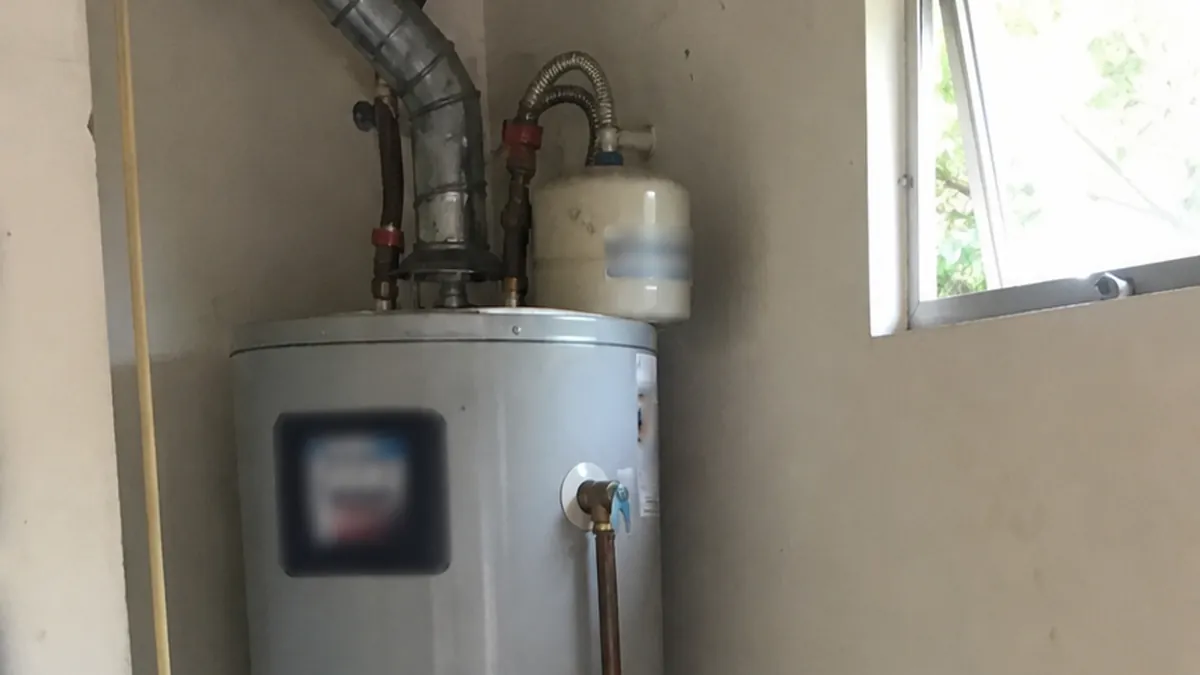
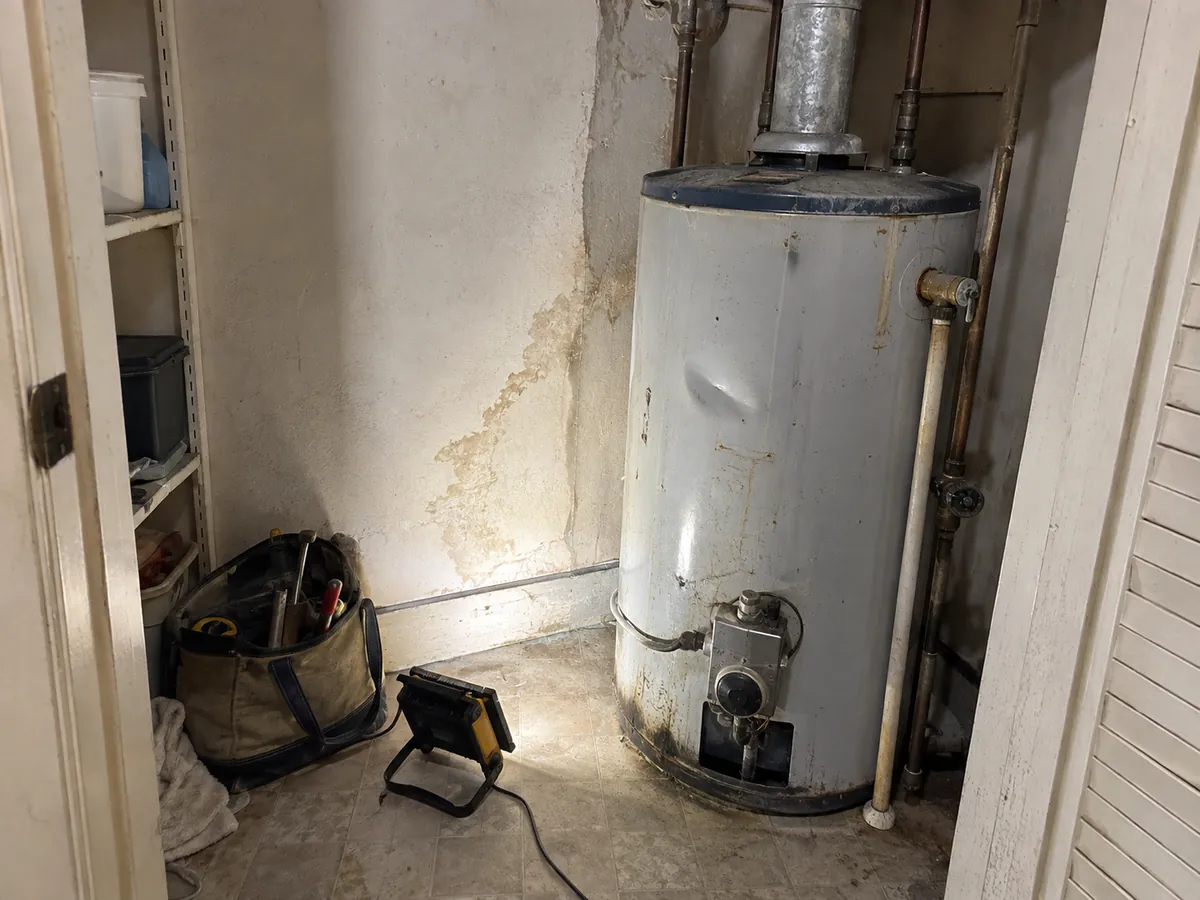
The tech showed up, found a failed thermocouple on an old gas heater, replaced it, tested it, and left. Forty minutes of work and a part off the truck. Good call, handled well.
The invoice went nowhere for six weeks. The person who called was renting the place. The owner lived two states away, had never heard of Marcus, and said the tenant had no business ordering repairs. The tenant said they had told the office it was a rental. Maybe they did. Nobody wrote it down.
Marcus eventually got paid most of it after two phone calls he did not enjoy. The part he keeps thinking about is that nothing went wrong on the job. The job was fine. The call was where it broke.
Two different people, one phone call
Every rental call has a split in it that a homeowner call does not have.
The person who knows about the problem is standing in the house. They can hear the water running, smell the gas, point at the ceiling stain. They are your best source of information and they are the only one who can let your tech in the door.
The person who has to agree to spend money is somewhere else entirely. They have not seen it, they may not believe it is urgent, and they have opinions about what a water heater should cost.
Your office is talking to the first person and quietly assuming they are the second one. That assumption is the whole failure. It does not show up on the job, which is why it is easy to miss. It shows up thirty days later in your receivables.
The question that fixes most of it
One question, asked early, right after the address: who owns the property, and who is approving the work?
Not “is this a rental.” That gets you a yes or no and stops there. Ask who approves, and the caller has to tell you a name or admit they do not know. Both answers are useful.
You get one of three situations back.
The caller owns it. Normal call. Carry on.
The caller is a tenant and the owner has already told them to call you. Common with landlords who use the same shop every time. Get the owner’s name and a direct number anyway, and confirm it before the truck rolls, not after. A tenant repeating what they were told last month is not authorization for today’s job.
The caller is a tenant and nobody has approved anything. This is the one that hurts. It is also completely workable if you catch it on the phone. You take the details, you tell the tenant plainly that you need the owner’s okay before you can come out, you get the owner’s number, and somebody calls the owner. Five minutes of work that saves six weeks of collections.
None of that requires being cold to the person with no hot water. They did not do anything wrong. They are cold and they called a plumber, which is what a reasonable person does. The honest version lands fine: “I can absolutely help with this, I just need a yes from whoever owns the place first, what is the best number for them.”
The emergency exception, and its limit
Sometimes the water is spraying and you are not going to leave it while you play phone tag with an owner in another time zone.
That is a real call to make and most shops make it. Just make it deliberately. Stopping active damage is different from replacing a fifteen year old heater because it is on its last legs. The first one almost always gets paid. The second one is a bid, and a bid needs the person who owns the building.
The dividing line worth writing down: stop the damage now, quote the repair after. Shut the water off, cap it, get it safe, then get the owner on the phone before anything else goes in. Your tech should not be deciding this in a wet basement with a tenant watching. That is a decision your shop makes once, in advance, and hands to whoever answers the phone.
What good rental intake actually captures
Beyond everything you already take on any call, a rental call needs a handful of extras. None of them are hard. They just have to happen while the caller is still on the line.
- Who owns it and who approves the spend. Name and direct number, not “the landlord.”
- Who is paying, and how. Owner direct, a management company with its own process, or a warranty plan. That last one is a whole different animal and it is worth reading what warranty calls really cost you before you say yes to one.
- Whether there is a spend limit. Plenty of owners tell a manager “anything under five hundred, just do it.” If that exists, you want the number before you quote, not after.
- Who lets you in, and whether they will be there. The tenant’s schedule, not the owner’s. Rentals are where no-shows come from, because the person who booked the appointment is not the person who has to be home for it.
- Whether the tenant can be told the price. Some owners very much do not want that. Awkward on the doorstep if nobody warned your tech.
That is maybe ninety seconds of questions. Compare that to a six week invoice.
What changed for Marcus
Marcus put Bella on his overflow and after-hours calls, and while he was writing out the intake he added the ownership question near the top, right behind the address.
Now every call gets asked who owns the property and who approves the work. If it comes back as a tenant with no approval, Bella takes the whole picture anyway, tells the caller straight that the owner has to sign off first, gets the owner’s number, and sends Marcus the summary with the missing piece flagged. Nothing gets booked into a slot on the assumption it will sort itself out later.
The surprise was on the other side of it. Because owner names and numbers were getting captured instead of living in one tech’s phone, Marcus could see how much of his rental work traced back to a small number of owners. Two of them had six or seven properties each. He had been treating those as separate one-off jobs for years. The same details staying on file that make a repeat customer easy to serve also show you which of your customers is quietly bigger than you thought, the way it did for the property manager with three units going at once.
He also stopped having the six week conversation. That one he does not miss.
The takeaway
On any call that might be a rental, ask who owns the property and who approves the work, and ask it right after the address.
Write down what your shop does in each of the three cases, including where the emergency exception starts and stops, so the person answering the phone is reading a rule instead of guessing. Stop damage first, get approval before anything gets replaced, and never let a job onto the schedule when nobody has actually agreed to pay for it.
The tenant is not the problem. Not knowing which conversation you are in is.
If your phones get covered by whoever happens to be free, hear how Bella handles a call or dial the demo line at (669) 284-5564 and try it yourself.