The Daughter Who Called About Her Dad's Water Heater
Some of your best calls come from someone who is not at the house and cannot answer half your questions. Here is what one shop changed to stop losing them.
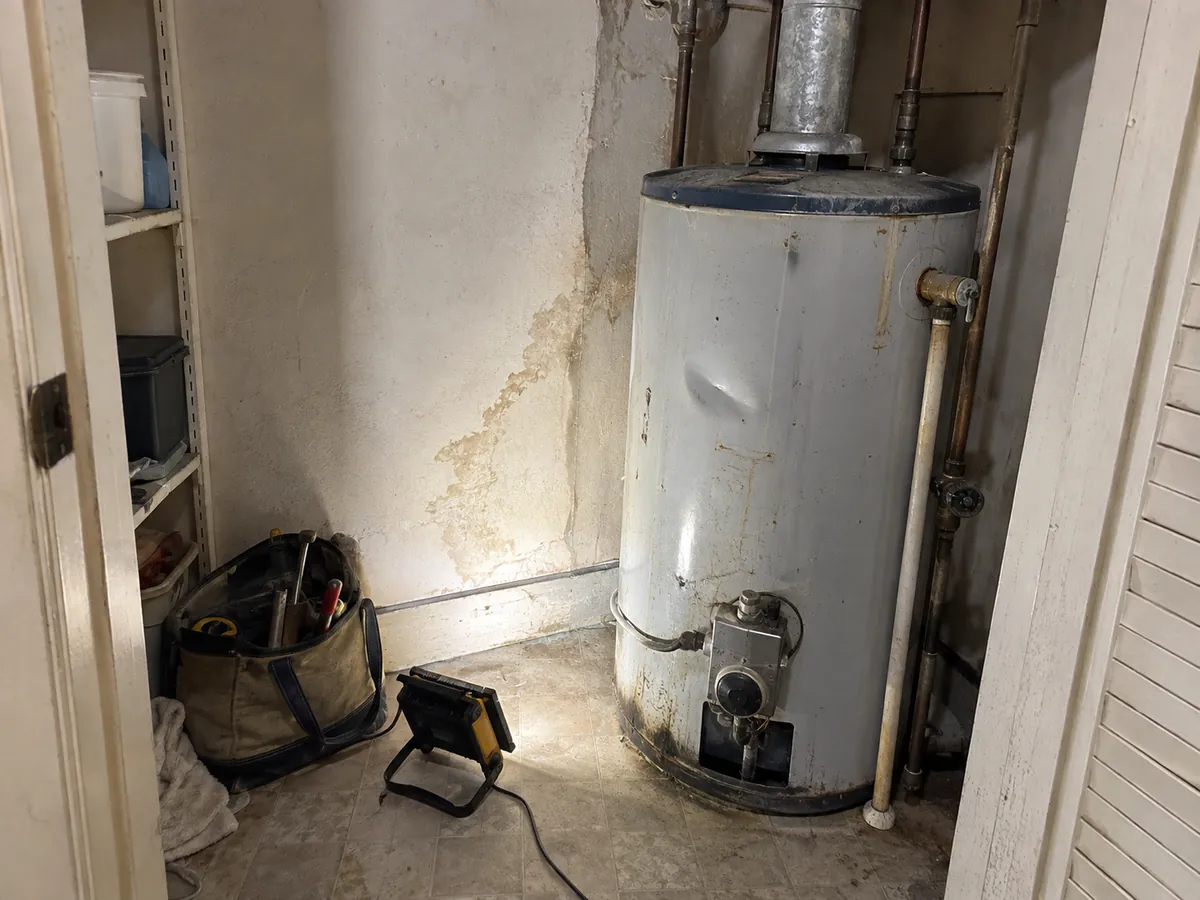
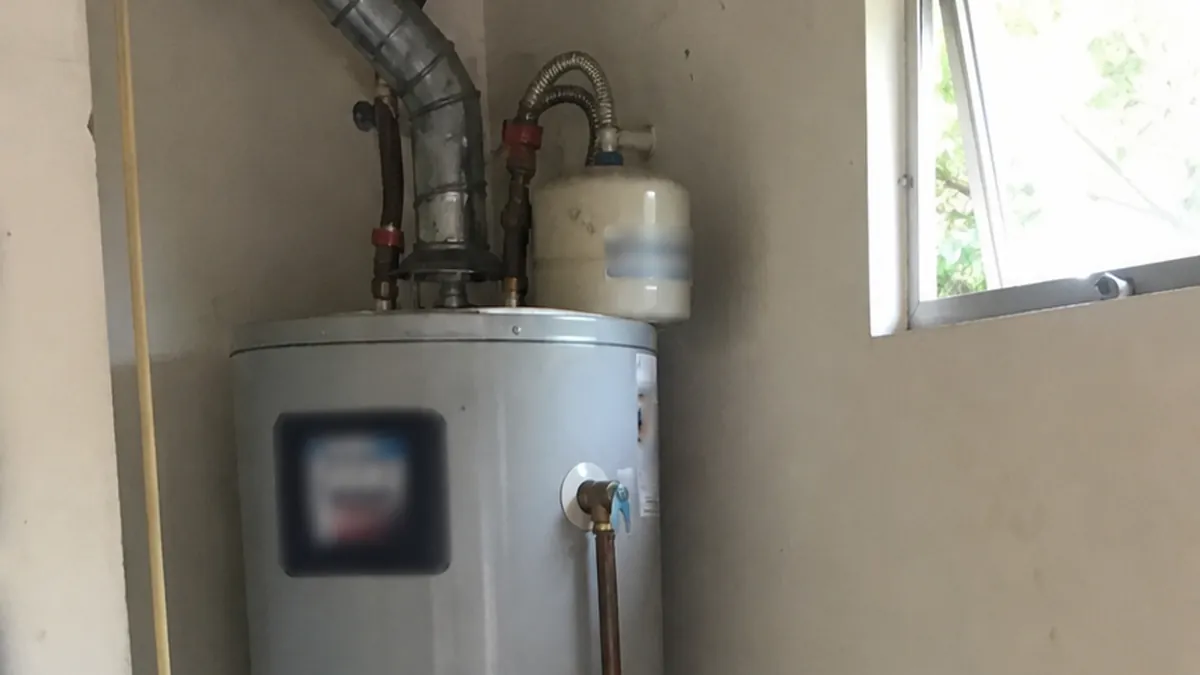
The call came in at 4:40 on a Tuesday, twenty minutes before Ray’s office shut for the day. A woman was calling about a water heater leaking into a garage. She was calm, she was ready to pay, and she wanted somebody out the next morning.
She also could not tell Ray’s office how old the unit was, whether it was gas or electric, or where the shutoff was. She was four hours away. It was her father’s house, and her father was eighty-one and had called her instead of calling a plumber.
Ray’s shop had been fumbling calls like that for years without noticing.
Why this call is different
Most of your intake questions assume the person on the phone is standing near the problem. Is it leaking now. What does the water look like. Can you get to the shutoff. Those questions work fine right up until the caller is a family member in another city, and then every one of them comes back as “I don’t know, I’m not there.”
It is the same structural problem as the landlord calling about a property he does not live in, except softer and more urgent at the same time. The caller is worried about a parent, not a tenant. She wants to hand the whole thing off to somebody competent and get back to her own day.
That is a good customer. She is not shopping three quotes. She is looking for one plumber who sounds like he has done this before.
The three things you actually need
When the caller is not at the house, the useful questions change. Ray’s shop settled on three:
Who is at the house, and how does your tech get in. A confirmed on-site phone number matters more than anything else on the call. If your tech shows up with only the daughter’s cell in his hand, he is standing in a driveway calling somebody four hours away to ask an eighty-one-year-old to come to the door.
Who says yes to the money. Sometimes it is the caller. Sometimes it is the parent, who may not want his daughter paying for it. Sometimes it is a sibling who is going to get looped in later. Sort that out on the first call, not after the tech has the old unit drained. This is a different conversation from the usual “how much is it going to cost” question, because the person asking the price is often not the person who has to live with the answer.
Where the quote and the invoice go. Often the daughter’s email and the father’s address. Getting that split right up front saves a week of paperwork chasing.
The rest of the questions you would normally ask before rolling a truck still apply. You just have to get the answers a step removed, which usually means asking the caller to reach the parent while you hold, or getting the parent’s number and calling directly.
What was going wrong
Nothing dramatic. Ray’s office would take the call, write down the daughter’s name and number, note “water heater, leaking, wants tomorrow AM,” and put it on the board.
Then the tech would arrive to a house where nobody was expecting him at that hour, with no answer on the number he had, and a customer who could not tell him where the panel was. Half the time it worked out. The other half it cost him an hour and a second trip, and by the second trip the daughter had already found somebody else who seemed more organized.
The call was never really lost on the phone. It was lost in what did not get written down. And because these calls tend to land late in the afternoon, after somebody has spent the day worrying about a parent and finally sat down to deal with it, they land exactly when your office is least able to slow down and get it right.
What changed
Ray started routing his after-four calls to Bella. It was not aimed at this problem specifically. It was aimed at the general fact that his last hour of the day was the worst hour on his phones.
The next version of that call went differently. Bella answered at 4:52, got the daughter’s name and callback number, and then asked the question Ray’s office had never thought to ask: is there someone at the property right now who can let a technician in. That turned up the father’s cell number and the fact that a neighbor had a key. She noted that the caller was not the homeowner, flagged the leak as active, and asked whether the water had been shut off yet, which nobody had thought to do.
Ray got a text with all of it before he finished dinner. He called the father directly that evening, confirmed the morning window with the person who would actually open the door, and sent the quote to the daughter. One trip.
The details also stuck. When the same family called back months later about a slow drain at the same house, the relationship was already on file. Nobody had to re-explain who owned the house and who paid the bill.
The takeaway
A caller who is not at the property is not a bad lead. It is often a better one, because somebody has already decided the problem needs a professional and has volunteered to manage it. What kills these jobs is treating them like a normal intake and ending up with one phone number that reaches nobody useful.
Ask who is at the house. Ask who approves the spend. Write down both numbers. It takes an extra thirty seconds on the call and it saves the second trip.
If your phones are thinnest at the end of the day, which is exactly when these calls come in, hear how Bella handles one or call the demo line at (669) 284-5564 and try it yourself.