Small Plumbing Jobs: Why Some Shops Won't Take Them
Some plumbing shops turn down running toilets and dripping faucets. Others take every one. Here is the real trade-off, and how a minimum charge changes it.
TL;DR: Some shops turn down small plumbing jobs because a 20-minute fix still carries the full cost of a truck roll and may take a prime slot from a larger call. Other shops take them on purpose because the small job can lead to bigger work, fill schedule gaps, and introduce a new customer to the shop.
A 20-minute repair still uses a full truck roll
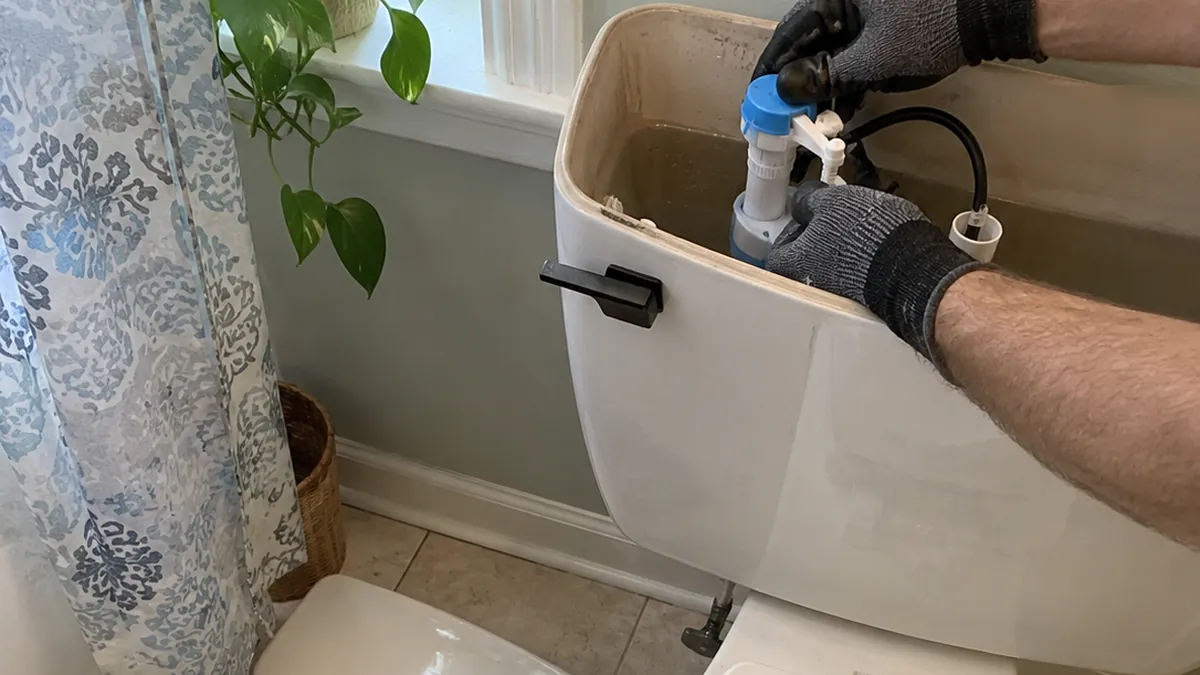
The running toilet, dripping faucet, slow bathroom sink, or loose toilet seat may take 20 minutes to fix. The truck roll still takes drive time, fuel, parking, setup, cleanup, and paperwork.
Most of that cost is fixed before the repair starts. A small ticket can lose money even when the technician works quickly.
The schedule creates another problem. A small job booked in a prime morning slot can push out a water heater call or a repipe call. That is work the shop may have wanted more.
Small jobs also bring a particular kind of conversation. A homeowner may spend time haggling over a small bill after the work is complete. The repair is done, but the visit still feels difficult.
That is why some shops turn these calls down. Other shops take them on purpose.
The small job may be the first call from a larger customer
A small plumbing job is a cheap first date with a new customer. The homeowner who trusted you with a running toilet is the one who calls when the water heater goes.
That future call is not guaranteed. The first visit still gives the homeowner a chance to see how your shop answers the phone, arrives, communicates, and handles the work. If you do not take small jobs, another shop gets that first chance.
Small calls also fill gaps between bigger jobs. A slow bathroom sink may fit into a day when a larger call ends early. A loose toilet seat may work in an end-of-day window. The same repair that loses money in a prime morning slot may make sense in an open gap.
Some shops also use small-job customers as the starting point for maintenance plans. The point is not to pretend every running toilet will become a large account. The point is to decide whether that first visit has a place in your business model.
A minimum charge puts a floor under every visit
The middle ground is a minimum service charge. This is the least any completed visit costs.
It is different from a trip fee. A trip fee pays for showing up and diagnosing. A minimum charge is the floor for the completed visit, even when the repair itself is small. Read more about that distinction in should you charge a trip fee.
Set your own minimum based on your own truck-roll cost. Do not copy another shop’s number. Your drive time, fuel, parking, setup, cleanup, and paperwork determine whether the visit works for you.
Your pricing structure matters too. A shop using flat-rate pricing may present the repair and the minimum charge one way. A shop using hourly pricing may present it another way. The policy still needs to be clear. The details of that choice belong in flat rate or hourly pricing.
Put small jobs in the right part of the day
You do not have to treat every small call the same way.
Batch small jobs in the same neighborhood on the same day. That reduces wasted travel between calls. You can also place them into gaps and end-of-day windows instead of giving them prime morning slots.
Ask, “Anything else going on while we’re out there?” on every small-job call.
The call summaries we see often come back with a second item the caller had not planned to mention. It may be a water heater that has started making a popping noise or a shutoff valve under the sink that will not turn. The running toilet gets the truck there. The second item is often the bigger ticket.
This question does not turn a small call into a sales speech. It gives the homeowner a chance to mention another problem while the technician is already coming out.
Tell the caller about the minimum before booking
Whatever policy you choose, say it clearly on the phone.
A caller who hears the minimum charge up front can decide whether to book. A caller who learns it on the invoice leaves a bad review. That is not a pricing problem alone. It is a communication problem.
Your phone answerer should state the minimum charge before the appointment is booked. The same applies if you use a trip fee, a diagnostic charge, or another visit policy. See how to answer “how much will it cost?” for the phone conversation around price.
Decide once. Write it down. Make sure whoever answers the phone says the same thing every time.
Refer out quickly when small jobs do not fit
You may decide that small jobs do not belong in your schedule. That is a valid policy if you apply it clearly.
Refer the caller to a handyman or another shop you trust. Say so kindly and fast. Do not leave the caller waiting while the phone answerer tries to find an exception.
A quick referral is better than booking work your shop does not want, then making the homeowner feel like a nuisance. It also keeps the policy simple for everyone answering the phone.
Bella keeps the answer consistent on every call
Bella is Plumber Secretary’s phone assistant. She answers every call 24/7, books jobs into open slots through calendar sync, and sends a call summary by text or email after every call.
That summary can capture the second issue mentioned during a small-job call. Customer memory matters too. Bella remembers past callers, so when the running-toilet customer calls back months later about a water heater, the history is there. Basic customer memory comes with Starter at $95 per month. Full long-term history comes with Growth at $295 per month. You can read more about customer memory.
Custom call scripts are on the Pro plan at $495 per month. That is how a shop has Bella say its minimum charge or small-job policy the same way on every call.
Call Plumber Secretary at (707) 620-5284. Bella answers the demo line at (669) 284-5564.
Write down your small-job policy today, set the minimum from your own truck-roll cost, and tell every caller the policy before booking.