How to Answer 'How Much Is It Going to Cost?' on the Phone
It's the first thing half your callers ask. Answer it wrong and you lose the job or the margin. Here's how to handle the price question without quoting blind.
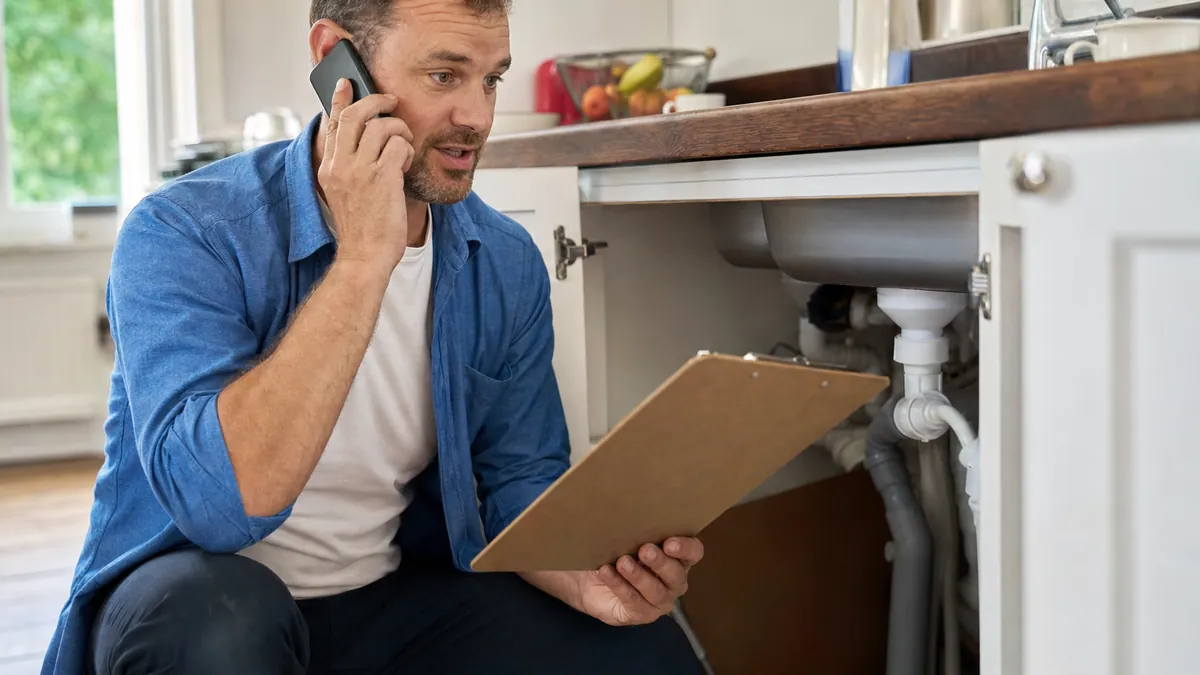
For a lot of callers it’s the first thing out of their mouth, sometimes before “hello”: “How much to fix a running toilet?” or “What do you charge to clear a drain?” How you handle that one question decides whether you get the job, and whether it’s worth taking.
Get it wrong in either direction and you lose. Blurt out a number and you’re guessing at a job you haven’t seen. Dodge the question and you sound shifty, so they hang up and call someone who’ll talk to them.
Why the price question is a trap
Quoting a firm price over the phone is a coin flip you usually lose. Guess high and you scare off a job you’d have happily done. Guess low and you’ve either killed your margin or set up an awkward conversation on the doorstep when the real number is different. Either way you’ve boxed yourself in over a problem you can’t even see yet. (How much you can even say here depends on whether you price flat-rate or hourly: one lets you give a number, the other leaves you with “it depends.”)
But refusing to answer is just as bad. “I can’t give you a price” lands as evasive, and the homeowner moves straight to the next name on their list: the one who at least had the courtesy to explain how it works.
What a good answer actually does
The move is to answer the spirit of the question without committing to a number you’ll regret. Acknowledge it, explain how your pricing works, give an honest range if you have one, and steer toward getting eyes on the problem.
That means asking the right questions first (what’s happening, how long, what kind of fixture) so you can scope it instead of guessing. A water heater call, for instance, comes down to six quick questions that decide whether you’re quoting a part or a whole new tank. The goal of the call isn’t to quote. It’s to get the visit on the calendar.
The caller mostly wants to know you’re honest
Here’s the part most shops miss: the customer asking “how much?” usually isn’t shopping for the lowest number. They’re nervous about getting taken advantage of, and they want to know you’ll show up and treat them straight. A calm, clear “here’s how we price it, and here’s when we can take a look” answers the real question underneath the question. And when the honest number is a big one, offering a payment option keeps the job alive instead of ending the call.
That’s also why the first shop to actually pick up and talk like a human usually wins. Being reachable and straightforward beats being cheapest.
Answering it the same way on every call
The price question comes in at every hour, and the answer has to be consistent whether you’re free or flat out. Bella handles it the way you’d want it handled: explains how pricing works, asks the right questions, books the visit, and never throws out a number it shouldn’t. Every caller gets the same honest answer, even the ones who’d otherwise hit a phone tree or voicemail.
The takeaway
“How much is it going to cost?” isn’t really a request for a quote. It’s a test of whether you’re reachable and honest. Answer it with a clear explanation and a booked visit instead of a blind number, and you’ll win jobs the price-blurters and the dodgers both lose.
Hear how it handles the price question in a 10-minute demo.