Flat-Rate or Hourly? What Your Pricing Model Says on Every Call
How you price, flat-rate or hourly, changes what you can tell a customer when they ask 'how much?' Here's the trade-off and how each one plays on the phone.

Most of the pricing debate in the trade comes down to two camps: bill by the hour, or charge a flat rate per job. It’s usually framed as an accounting decision, but it shows up somewhere more important: on the phone, the moment a customer asks “how much?” The model you’ve chosen decides what you’re even able to say.
The two models, in plain terms
Hourly is the old default: you bill your time plus materials. Simple to start, and it feels fair: they pay for the work done.
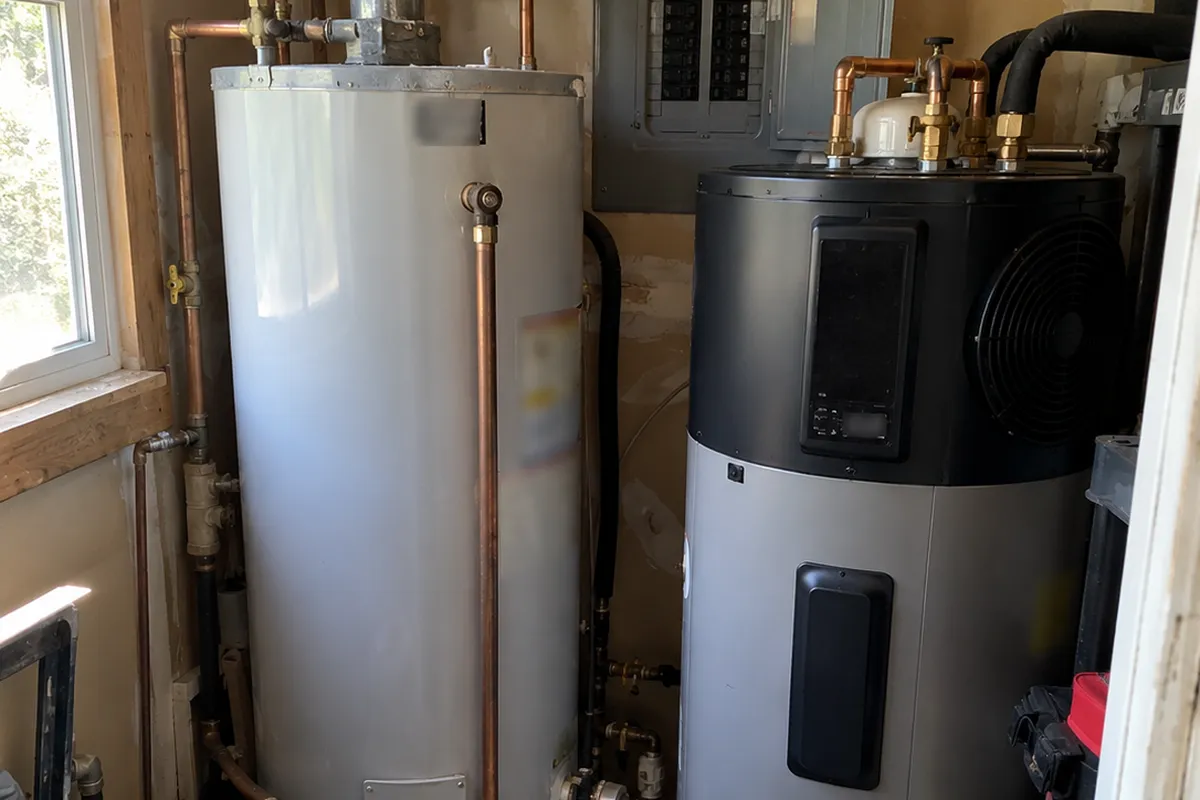
Flat-rate means you’ve built a price book: a set price for clearing a drain, swapping a disposal, installing a water heater. The customer is quoted the whole job upfront, regardless of how long it takes you.
How each one plays when the customer asks “how much?”
This is where the difference bites. On an hourly model, the honest answer to “how much?” is “it depends how long it takes”, which is exactly the uncertainty a nervous homeowner hates. You can’t give a clean number on the phone, and “we’ll see” makes some callers keep shopping.
Flat-rate lets you (or whoever answers) say something concrete: “clearing that drain is a set price, and I can have someone out Tuesday.” That’s a far easier answer to the price question, and it builds trust because there’s no meter running in the customer’s imagination.
There’s also an efficiency angle. Hourly quietly punishes you for being good: the faster you fix it, the less you earn. Flat-rate rewards skill and speed, because the price is the price whether it takes you twenty minutes or two hours.
Why most growing shops drift to flat-rate
The hourly model gets harder to defend as a shop grows. Customers compare it unfavorably to the competitor who gave them a straight number, techs feel rushed or scrutinized on the clock, and every quote becomes a negotiation about time. Flat-rate takes more setup (you have to build and maintain the price book), but it makes the phone conversation cleaner, the customer calmer, and your margins more predictable. (Whether to charge a trip fee is a separate decision that sits on top of either model.)
Neither is wrong, and this isn’t financial advice: plenty of solid shops run hourly. The point is to choose deliberately, because the model leaks straight into how every call sounds.
Either way, it starts with answering
Here’s the part the pricing debate skips: it doesn’t matter how good your price book is if the phone rings out. The call has to be answered and scoped before any pricing model gets a chance to work, and the shop that picks up first is usually the one that gets to quote at all.
However you price, Bella answers every call, asks the questions that scope the job, and books it, so your pricing model actually gets used instead of going to voicemail.
The takeaway
Flat-rate or hourly isn’t just a bookkeeping choice: it decides whether you can give a customer a straight answer when they ask what it costs. Most growing shops move to flat-rate for exactly that reason. But either model only pays off on calls you actually answer.