Home Warranty Calls: Steady Work, Thinner Margins
Home warranty dispatches fill slow weeks, but somebody else sets your rate and decides what gets paid. Here is what to sort out on the phone before you accept one.
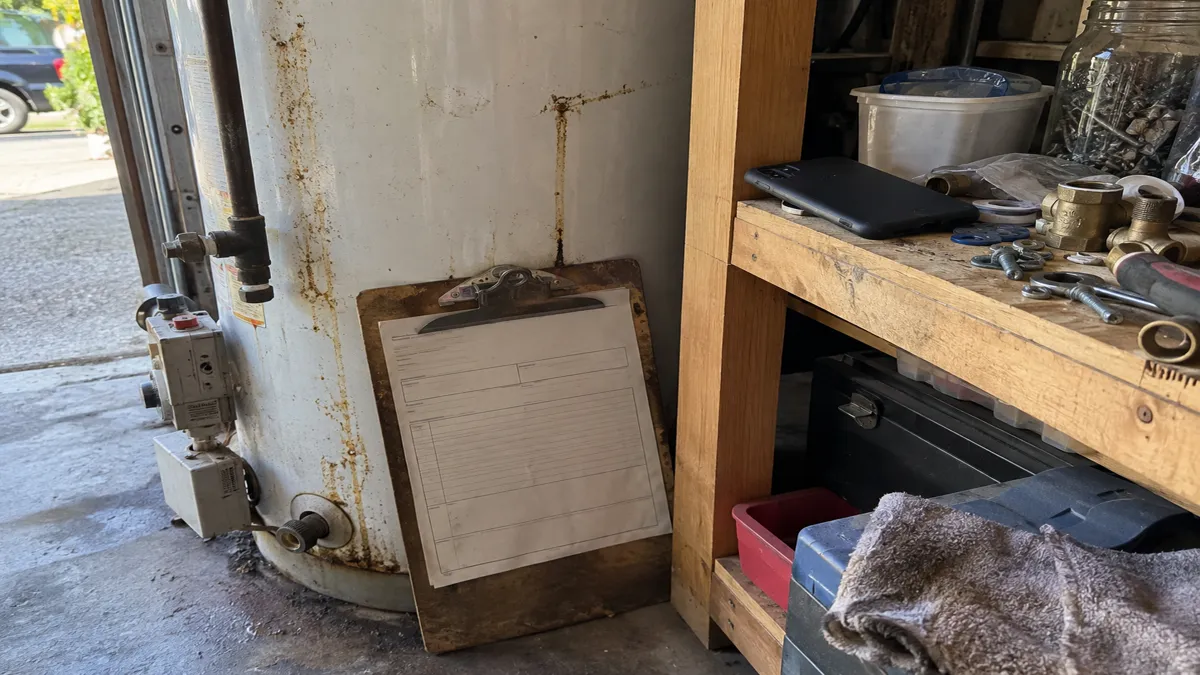
You can usually tell a home warranty call within the first ten seconds. The caller does not open with “my water heater is leaking.” They open with a company name and a claim number, and then they ask when you can be out. Sometimes they are not even sure what is wrong. They just know somebody told them a plumber would call.
Those calls are worth money. They are also worth less per hour than the rest of your book, and the difference does not show up until you are standing in the garage waiting on hold for an authorization. Here is how to think about them, and what has to get captured on the phone before you agree to anything.
What is actually happening on that call
The homeowner bought a service contract. When something breaks, they file a claim with the warranty company, and the warranty company dispatches the job to a plumber in its contractor network. That is you, or it is about to be.
The structure matters because it puts three parties on one job. The homeowner is the person whose water heater is leaking. The warranty company is the one paying you. And the contract between those two, which you have never read, decides what gets covered. You are the only one of the three standing in the garage.
Most networks run roughly the same way. The homeowner pays a fixed service fee. You go out, diagnose, and report back. The warranty company authorizes a repair, denies it, or approves part of it. You get paid at the network’s rate for the authorized portion. Anything outside that is either the homeowner’s out of pocket cost or it does not happen.
Why shops take the work
The honest case for it is simple. It is call volume you did not pay for. There is no lead fee, no bidding against three other shops, and no waiting to see who calls back first. The dispatch lands and the job is yours.
That makes it useful as filler. If your schedule has holes, warranty dispatches cover payroll on the days that would otherwise be quiet, which is the same problem the September slowdown creates every fall. It also gets you in the door. Plenty of houses have work the warranty will never touch, and a homeowner who watched you do a clean job on the covered repair will often ask about the rest of it while you are packing up. That conversation is yours at your own rate.
Why shops drop it
The rate is set by someone else, and it is set to protect the warranty company’s margin, not yours. You will do the same water heater diagnosis you would do for a direct customer and bill less for it.
Then there is the authorization step. On a direct call you diagnose and quote and get on with it. On a warranty call you diagnose, submit, and wait. Sometimes that means a second trip. Sometimes it means your tech sitting in the driveway on hold while the clock runs on a job you are already underpaid for.
Denials are worse than the rate. When the warranty company decides a failure is not covered, you are the one delivering that news to a homeowner who has been paying premiums for years and is now looking at a bill. The decision was not yours and you cannot change it, but you are the face in front of them. Shops that quit warranty work usually quit over that conversation, not over the money.
Payment is slower too. You are invoicing a corporation with a claims process, not collecting from a customer at the door.
What to get on the phone before you accept
This is where the call is won or lost. Every one of these takes ten seconds to ask and saves a wasted trip.
- Which warranty company, and the claim or work order number. Write it down exactly. No number, no dispatch.
- Whether the diagnostic visit is already authorized. Some networks approve the trip up front. Some expect you to roll and sort it out after. Those are different jobs and you should know which one you took.
- Who pays the service fee, and when. Collected at the door or billed through the company. Ask, do not assume, because it varies by network and sometimes by plan.
- What the caller believes is covered, in their own words. You are not there to interpret their contract. You are listening for the expectation that is going to blow up later, so you can flatten it now.
- The address, and whether the caller owns the property. Warranty plans get bought by landlords too, and a tenant calling on someone else’s contract has no authority to approve anything. That is the same trap as the landlord calling about three properties at once.
- A direct callback number. Not the warranty company’s line. You need to reach the person at the house.
Everything on your normal intake still applies on top of this. Warranty or not, you still need the basics before you roll the truck.
Say the hard part out loud, early
The single best thing you can do on a warranty call is explain the split before the truck moves. Something like: “I will come out and diagnose it. Your warranty company decides what they cover, not me. If there is anything outside that, I will give you a price and you decide.”
Say it on the phone. Not in the driveway, not after the denial comes back. Homeowners are far more reasonable about a limit they heard on day one than one that ambushes them. It is the same principle as being straight about what a job is going to cost or why you charge a trip fee. Nobody minds the rule. They mind finding out about it late.
Making sure these calls get sorted, not just answered
Warranty dispatches do not arrive on a separate line. They come in mixed with everything else, often while you are under a sink, and they sound urgent because the caller has been passed around already.
That is a sorting problem more than an answering problem. Bella can take the claim number, the company name, the address, and what the caller thinks is wrong, then flag it as warranty work so it reaches you tagged instead of buried. You decide whether to take the dispatch with the details in front of you rather than discovering the situation on site. The same intake that keeps a gas smell call from being treated as routine keeps a warranty call from being priced like a full rate job.
How much of it to take
Treat warranty work as filler, and watch the share. Filler is healthy right up until it starts crowding out the calls that pay your real rate, and that shift is easy to miss because the schedule still looks full. A booked day at somebody else’s price is not the same as a booked day.
Before you sign with a network, get the rate sheet and the terms in writing, including how long payment takes and what happens when you and the company disagree on a diagnosis. If a network will not put that in front of you, that is your answer. And revisit it once a year the way you would any other channel, the same as you would ask whether a maintenance plan or real estate agent referrals are still earning their place.
The takeaway
Home warranty dispatches are real work at a discount, with a third party in the middle and a conversation you did not sign up for. Taken deliberately, they fill slow weeks and put you in houses you would not otherwise see. Taken by default, they quietly become the bulk of your schedule at the lowest rate you accept anywhere.
The difference is almost entirely made on the phone, in the first ten seconds, before anybody rolls a truck.