The "Can You Just Tell Me How to Fix It?" Call
Some callers want you to talk them through the repair instead of sending a truck. Here is where the free answer ends and the work begins, and how to turn the ask into a booking.
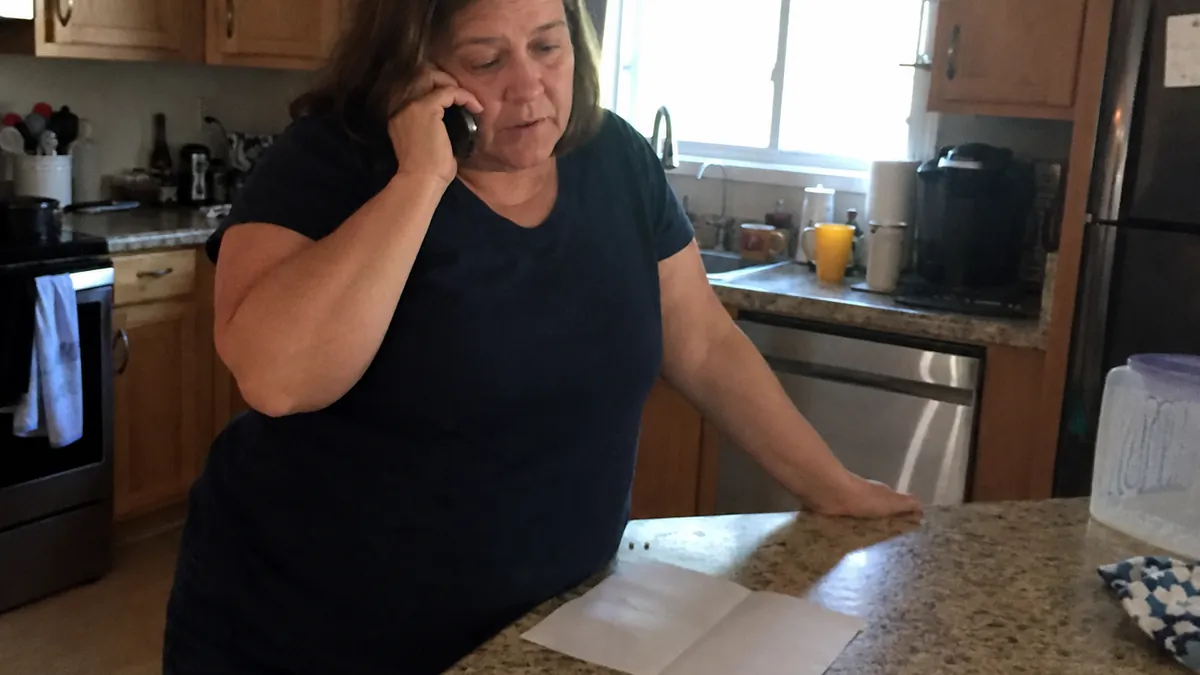
“Quick question. I don’t want to waste your time, but can you just tell me how to fix it?”
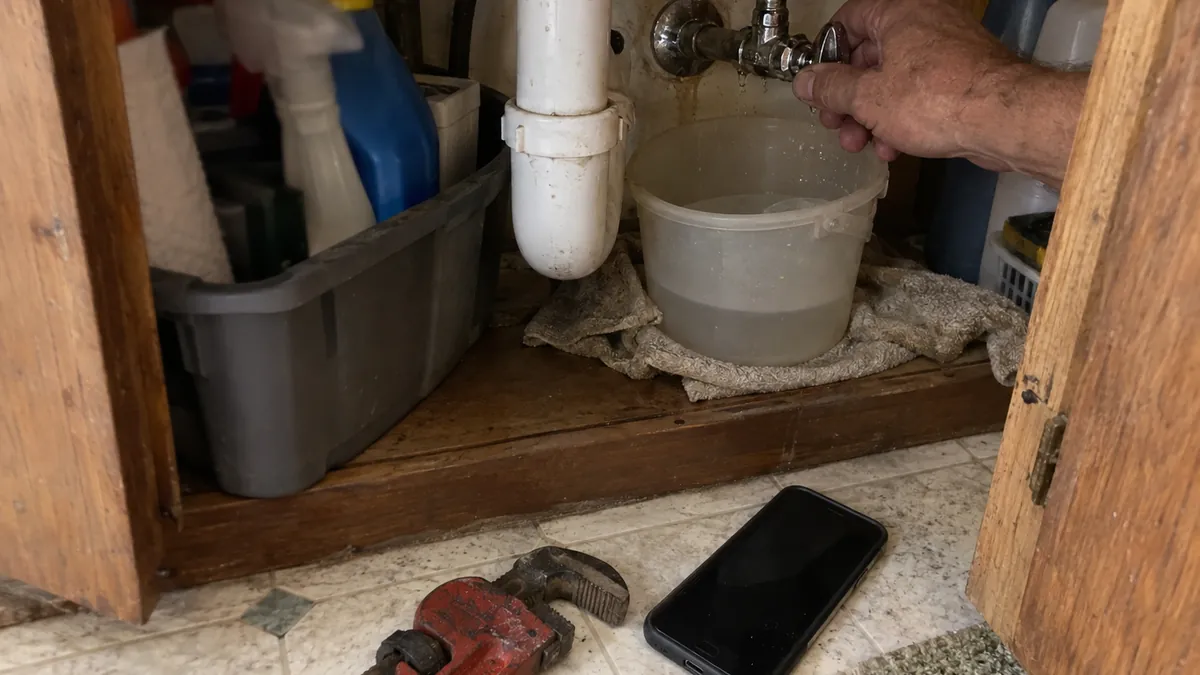
You know the call. A running toilet. A jammed garbage disposal. A water heater pilot light that went out. A dripping angle stop under a sink. Sometimes it is just “which valve do I turn off?”
It sounds small enough to be one quick tip. These land on weekend mornings, and on evenings after the caller has watched a how-to video and gotten halfway to brave. The tell is almost always the opener itself: “quick question,” or “I don’t want to waste your time, but.” The caller has not touched anything yet. They want the next step from whoever picked up your phone.
There are two ways shops get this wrong.
Refusing costs you more than one job
You can say “we don’t give advice over the phone” and stop there. It does protect your phone from a free repair session. It also shuts the door on somebody who may already be a customer, or was about to become one, or who talks to neighbors.
Thirty free seconds buys real goodwill. A caller who gets a straight answer remembers which shop gave it.
This is not the caller who already took it apart and made it worse. That one calls embarrassed and braced to be judged, and handling it without a lecture is what turns it into a customer for life. This caller still has the tools in the drawer.
Over-coaching turns your phone into an unpaid service call
The other mistake is letting the call become a full diagnosis.
Whoever answered starts asking questions. Then more questions. They explain what to take off, what to look at, which part to buy, how the fitting should seat. Twenty minutes are gone and nothing was billed.
It often comes back anyway. The part is wrong. The fitting will not seat. The caller is standing in the same spot, still needing a plumber. Now you have paid for that call twice.
The answer is not to help less. It is to draw one line and hold it.
Safety is free. Diagnosis is the work.
Anything that keeps somebody safe or stops damage is free, given right away, with no hedging.
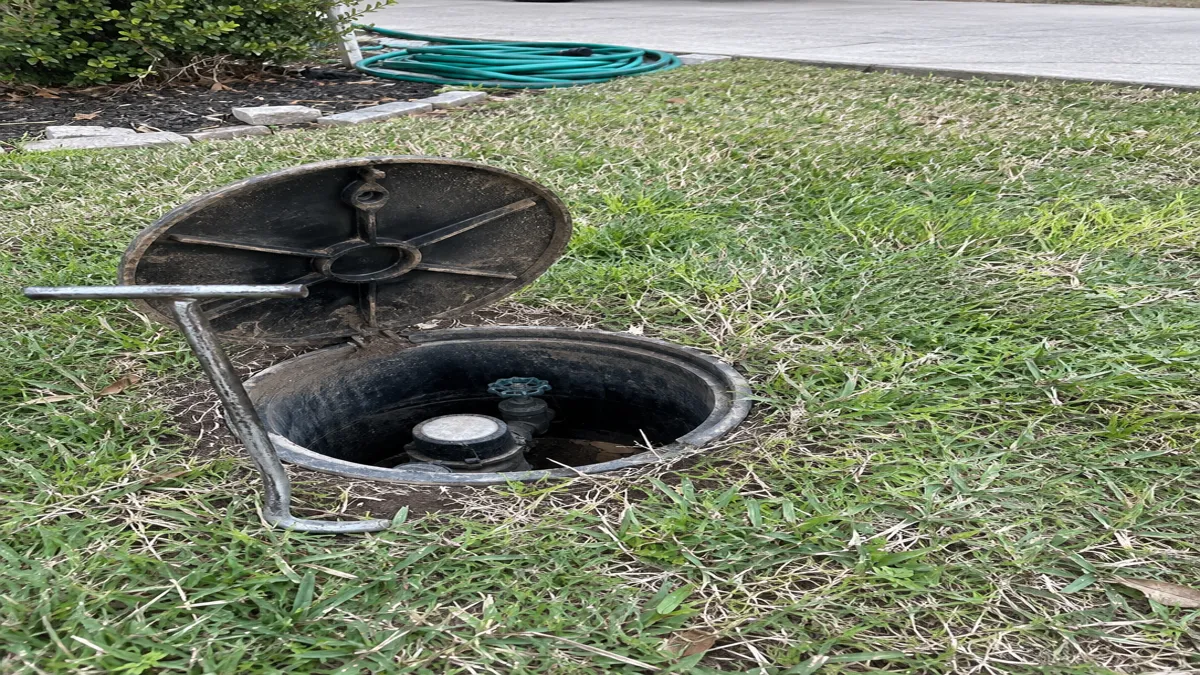
Where the fixture shutoff is. Where the main is. How to kill power to a water heater. If they smell gas, get out of the building and call the gas utility first. Give that instantly, every time, to anyone who calls, customer or not.
Diagnosis and repair coaching sit on the other side of the line. That is the job. It is the thing they would be paying for if a truck rolled. Why the toilet keeps running, why the disposal is jammed, why the pilot will not stay lit: that is not a free tip, that is the service.
The line is easy to say out loud, and easy for somebody who is not a plumber to apply. That second part matters, because the person answering usually is not a plumber.
What to actually say
Lead with the safe step.
“Turn the shutoff under the sink clockwise until it stops. That stops the water while we sort the rest out.”
Then be straight about the rest.
“I’m not going to pretend I can fix it with you over the phone. Finding out why it’s doing that is the actual work. I can get somebody out to you.”
You are not refusing to help. You are telling them what the honest fix is, and most people hear the difference.
Then take down what the tech needs: what it is doing, how long it has been doing it, and what they already tried or were about to try. Send that with the job so nobody re-asks on the doorstep and the truck arrives with the right part. It is the same discipline as the questions that belong on every call before you roll a truck, and it holds even when the caller insists it is “just” a running toilet.
Your best plumber is the worst person for this call
A good plumber will start coaching. Diagnosing is a reflex and it feels like generosity, which is exactly why your most expensive tech should not be the one picking up.
Whoever answers needs a boundary and a short script instead of thirty years of instinct. Safe step, capture the details, offer the visit, stop.
What they are usually really asking
Underneath a lot of these calls is not curiosity. It is money. “I don’t want to pay somebody just to come look at it.”
More free advice does not touch that worry. A plain number does. Say what the visit costs and what happens to that charge if they go ahead with the repair, which is the trip fee conversation in different clothes, and let the caller decide. Dodging the price and offering another tip instead only keeps you on the phone longer. If that is where these calls always stall for you, answering “how much is it going to cost” on the phone is a skill worth drilling on its own.
The call is a booking, not an interruption
Bella handles it the same way every time, whether it comes in on a Sunday morning or late on a weeknight: give the safe shutoff step, take down what the caller already tried, book the visit, and pass the note along to whoever runs the job. Plans run $95, $295, or $495 a month depending on how much of the follow-up you want off your plate. You can hear how she takes one of these on the demo line at (669) 284-5564, or reach us at (707) 620-5284.
Either way, the instruction to your phone is the same. Never refuse flatly. Never diagnose for free. Give the safe step, say what a real repair takes, name the price, and offer the appointment.
That “quick question” is not an interruption. It is a job calling to find out whether you want it.