The "Is This Covered By Insurance?" Call
It is the first question a homeowner asks after a burst pipe, and the one answer you should never give. Here is what to say instead, and what to document on the first visit.
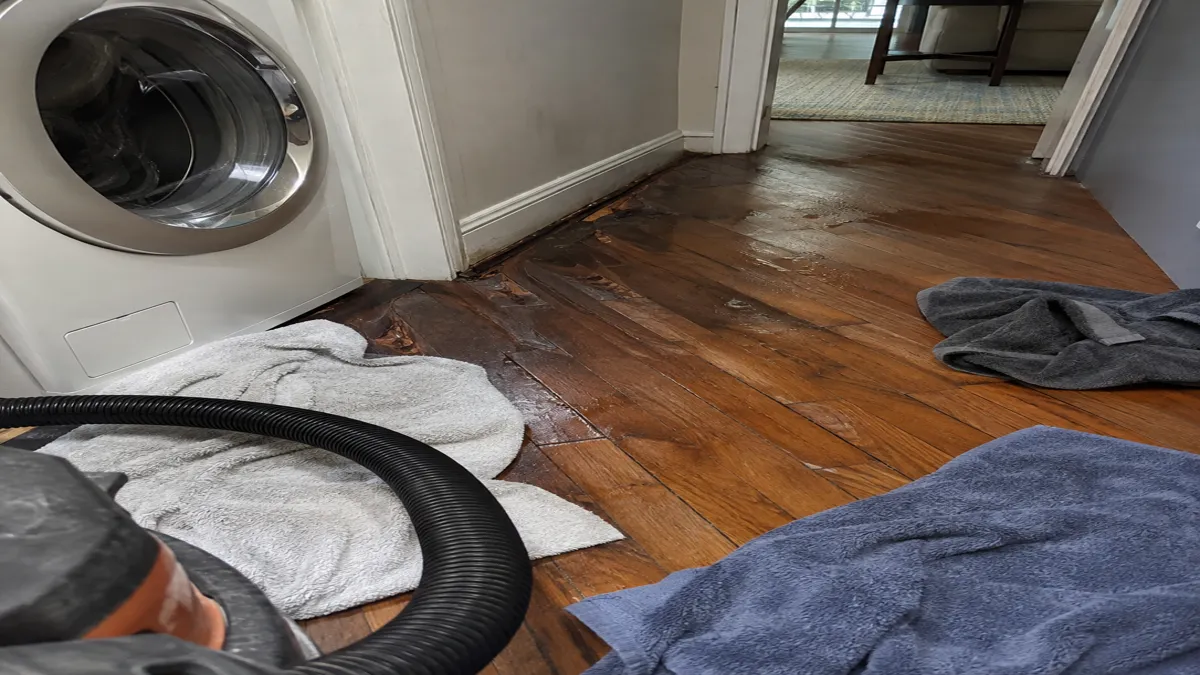
A supply line lets go behind a washing machine on a Sunday. By the time anyone notices, water is under the hardwood in the hall and into the closet on the other side of the wall.
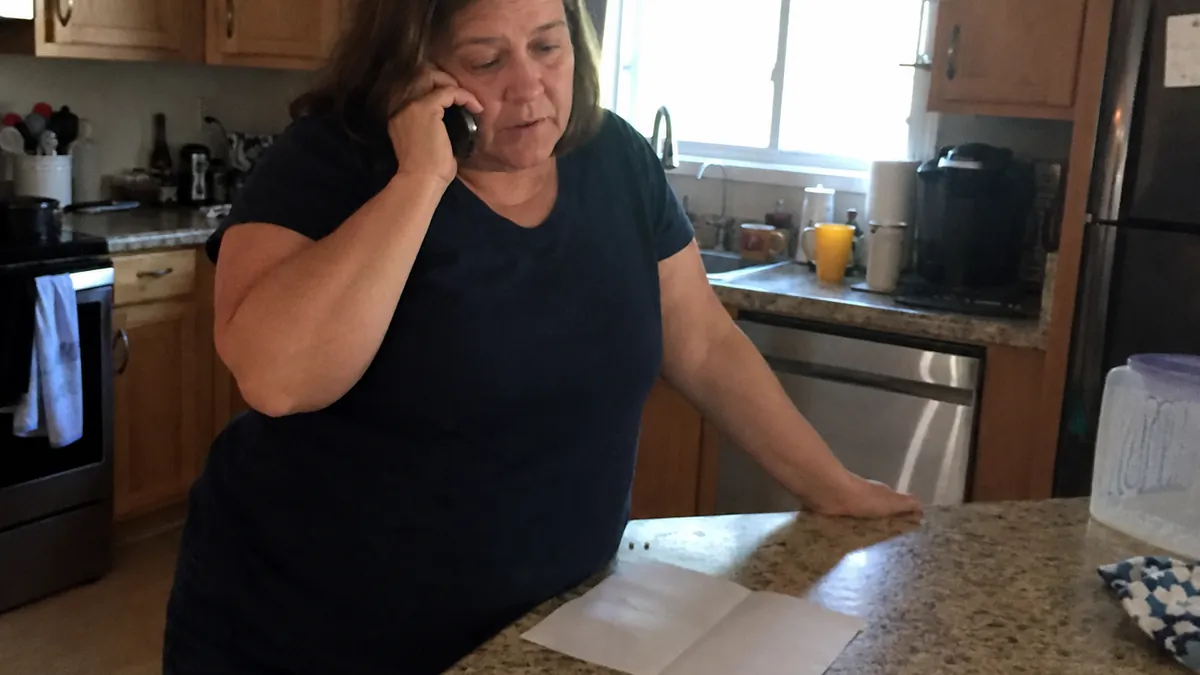
The homeowner calls you. Somewhere in the first minute, before the address, before the shutoff, comes the question every plumber gets on these calls:
“Is this covered by insurance?”
You should not answer it. Not because you are being cagey, and not because you do not have an opinion. Because the answer is not yours to give, and the guess costs you either way.
Why the guess is expensive
Say yes, and you have made a promise on behalf of a company you have no relationship with. If the claim gets denied, the homeowner remembers who told them it would be fine. Now your invoice is the thing standing between them and a bad week, and you are arguing about a bill you did nothing wrong on.
Say no, and you may have just talked someone out of filing a claim they were entitled to. Some of those people also decide the repair is too expensive to do right now, and the job you were about to run walks out the door.
Coverage is decided by an adjuster reading a specific policy. Policies differ by carrier, by state, and by what the homeowner bought. Broadly, homeowners policies tend to treat sudden and accidental water discharge differently from slow leaks that have been going on for months, and they more often pay to repair the damage the water caused than to replace the part that failed. But “tend to” is doing real work in that sentence, and none of it is a promise you can make standing in someone’s hallway.
What to say instead
There is a version of this answer that is honest, useful, and takes about fifteen seconds.
Tell them you are not the one who decides that, their insurer is. Tell them to call and open a claim now rather than after the repair. Then tell them the part that actually helps: photograph everything before anyone cleans up or pulls anything out, and you will document the cause on your end so their adjuster has what they need.
That last piece is what turns a non-answer into help. You have not promised anything. You have told them exactly what to do next, which is what they were really asking for.
Do not let the claim delay the shutoff
Here is where these calls go wrong in a way that costs everyone money.
Homeowners sometimes think they need to leave things as they are until an adjuster sees it. That is close to backwards. Policies generally put a duty on the homeowner to prevent further damage after a loss, not to preserve the scene. Water sitting for another day is more damage, and more damage is not more coverage.
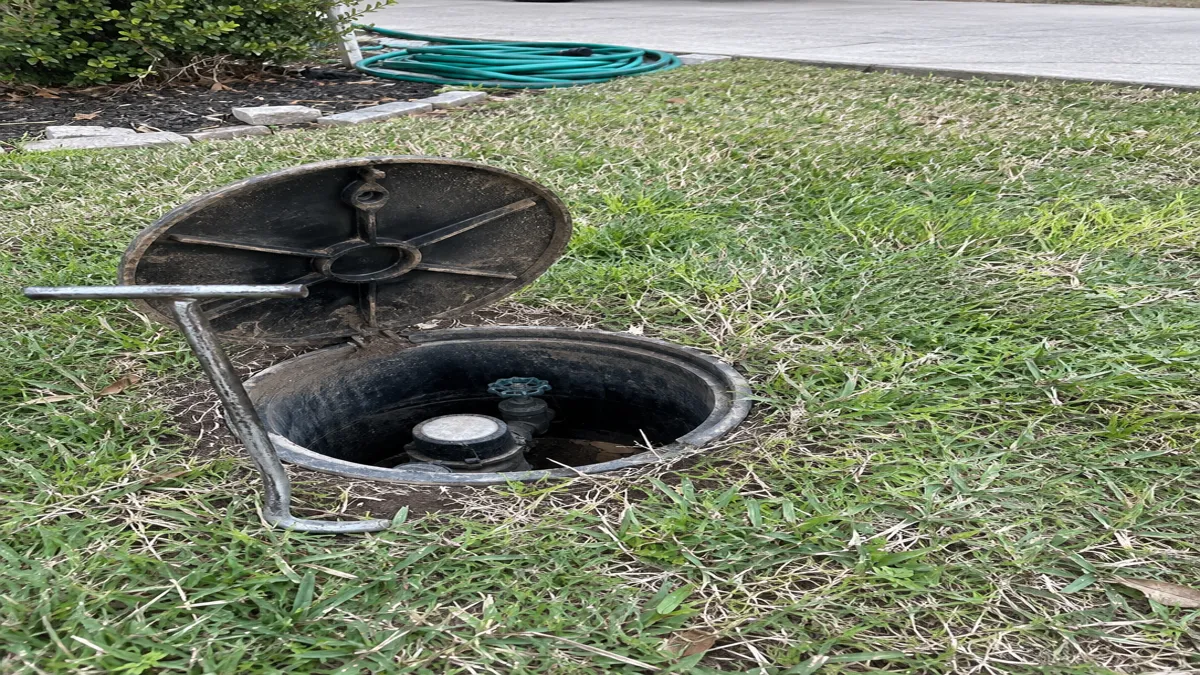
So the shutoff advice does not change on an insurance call. Water off, then talk. This is the same reason getting the water off is the first thing an after-hours call should accomplish, whether or not a claim is ever filed. Stopping the loss is the one thing that is unambiguously right in every version of this.
The documentation you cannot recreate later
Everything an adjuster wants exists for about an hour, and then the cleanup starts and it is gone.
Photos before you touch anything. Wide shot of the room, then the failed component, then where the water went. Take more than feels necessary. Nobody has ever been sorry about this.
Keep the failed part. The braided line, the split section of pipe, the cracked valve body. Bag it, label it, leave it with the homeowner or keep it in the truck. A physical part settles arguments about cause that photos cannot.
Write down the timeline. When it was discovered, when the water was shut off, how long it had likely been running. If the homeowner says they noticed the floor felt damp two weeks ago, that is worth knowing before you write anything down, because it changes the story from sudden to gradual and the adjuster will find it eventually.
Say the cause in plain language on the invoice. Not just “replaced supply line.” Something closer to “braided stainless supply line to washing machine failed at the crimp, discharging water to hallway and adjacent closet.” Adjusters read invoices. An invoice that describes cause and effect does more for your customer than a phone call ever will, and it costs you one extra sentence.
Know which job you are actually taking
There are two jobs on a water loss and shops get burned by not separating them out loud.
One is yours: find it, stop it, repair the plumbing. The other is drying the structure and putting the building back together, which is a restoration trade with its own equipment and its own billing relationship with carriers.
If you do not do mitigation, say so early and have a name to hand them. If you do, price and invoice it separately from the plumbing repair, because it is often handled differently on the claim side. The worst outcome is the homeowner assuming you are handling all of it, because that assumption surfaces a week later when the floors are still wet and they thought you were coming back.
What this means for whoever answers your phone
These calls arrive upset, and they arrive at bad hours. Whoever picks up is going to get the insurance question in the first thirty seconds, and the instinct to reassure a rattled person is strong. “Oh, that should be covered” is a very easy sentence to say by accident.
Write the script down once so nobody has to improvise it. Water off first. We do not decide coverage, call your insurer and open a claim. Photograph before you clean up. We will document the cause. Then the normal intake, starting with the address, the same questions you take on every call before a truck moves.
For shops running overflow and after-hours through Bella, this is the kind of thing worth setting up deliberately rather than hoping it goes well. Bella asks whether the water is off before anything else, gives the same plain answer on coverage every time instead of a reassuring guess, tells the caller to photograph before cleanup, and gets the timeline down while the homeowner still remembers it. The notes reach you with the details a claim needs, which is a better starting point than a callback from someone who has since mopped the floor.
The takeaway
You are not the insurance company and you should never sound like one. Water off, claim opened by the homeowner, photos before cleanup, failed part kept, cause written plainly on the invoice.
Do those five things and you have helped more than any coverage opinion would have, without putting your own invoice at risk.
If your phone is being covered by whoever happens to be free when it rings, hear how Bella handles a call or dial the demo line at (669) 284-5564 and try it yourself.