The "I Have No Water" Call: Some Of Them Are Not Your Job
Four words cover everything from a valve someone left closed to a service line replacement. Here are the questions that tell you which one you have, before the truck moves.
“I have no water” can mean a main valve was left closed after meter work. It can also mean a service line replacement. The same four words cover a free answer and a real plumbing job.
Do not dispatch on those four words. This call needs the same discipline every intake call needs.
Is the whole house dry, or just one fixture?
Ask this first.
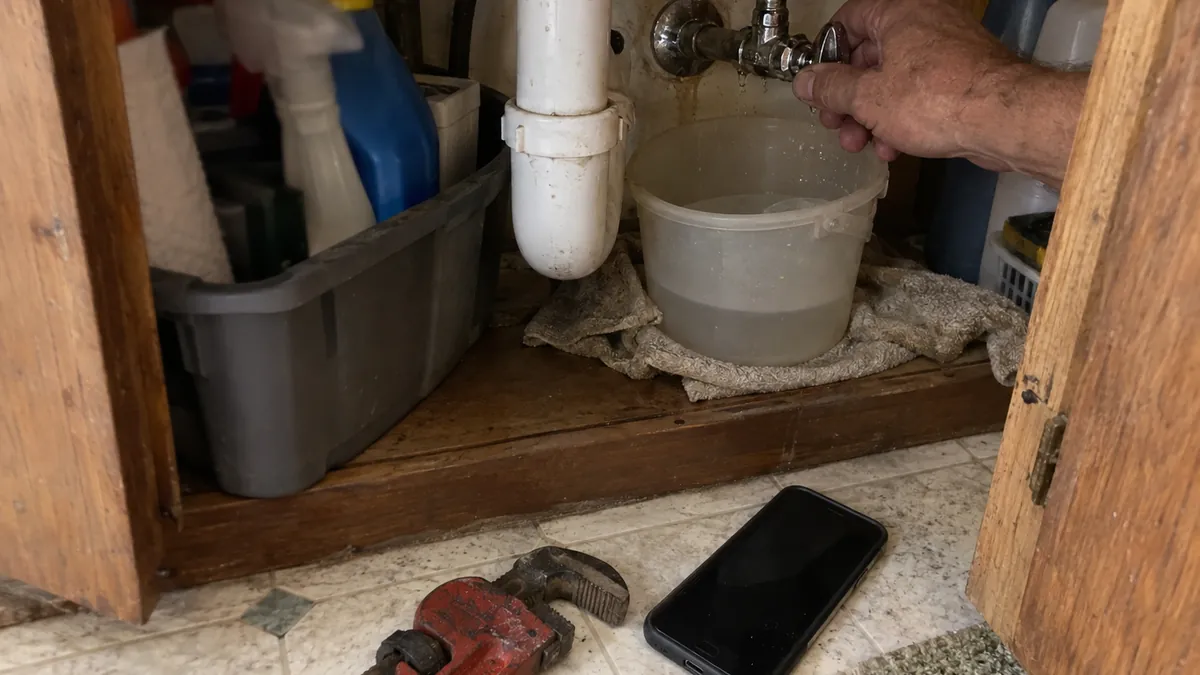
One dry fixture points to something local to that fixture, such as an aerator, stop valve, or supply line. A dry house points toward the service line, main valve, well, or utility.
Those are two completely different jobs. They may call for two different trucks. If the caller says the kitchen faucet has no water but every other fixture works, you do not need to keep treating it as a housewide supply failure.
Get the scope before you discuss arrival times or price. If the customer presses for a number, answer the price question honestly based on what is actually known.
Is the hot water gone, the cold water gone, or both?
“No water” often means no hot water.
If cold water still runs normally, that is a water heater call. It is not a general water supply call. That answer reroutes the whole conversation, including which plumber should get it and what information you collect next.
Ask the customer to check both sides at more than one fixture. You are not diagnosing the failure by phone. You are putting the call in the right bucket before a truck moves.
Did the water stop suddenly, or fade over several days?
A sudden total loss is not the same complaint as pressure declining over several days. The timing separates two different problem descriptions and gives your plumber a cleaner starting point.
Use plain language. Ask whether the water was normal and then stopped all at once, or whether faucets and showers became weaker over time.
This is the same reason timing matters when scoping a sewer backup on the phone. The customer’s first label is broad. The sequence of events is useful.
Recent work and dry neighbors can end the call quickly
Ask whether anyone has worked on the house, meter, or street lately. A main valve left closed after a repair, meter work, or street work is a common and free answer.
Then ask whether the neighbors have water. If the whole street is dry, the problem is the utility’s main. It is not a plumbing job. This one question can end the call in thirty seconds.
Do not stop there if the neighbors have water. Ask whether the customer received a shutoff notice and whether the bill is current. It is uncomfortable. Ask anyway. A nonpayment shutoff is not a plumbing repair, and the customer may not volunteer it.
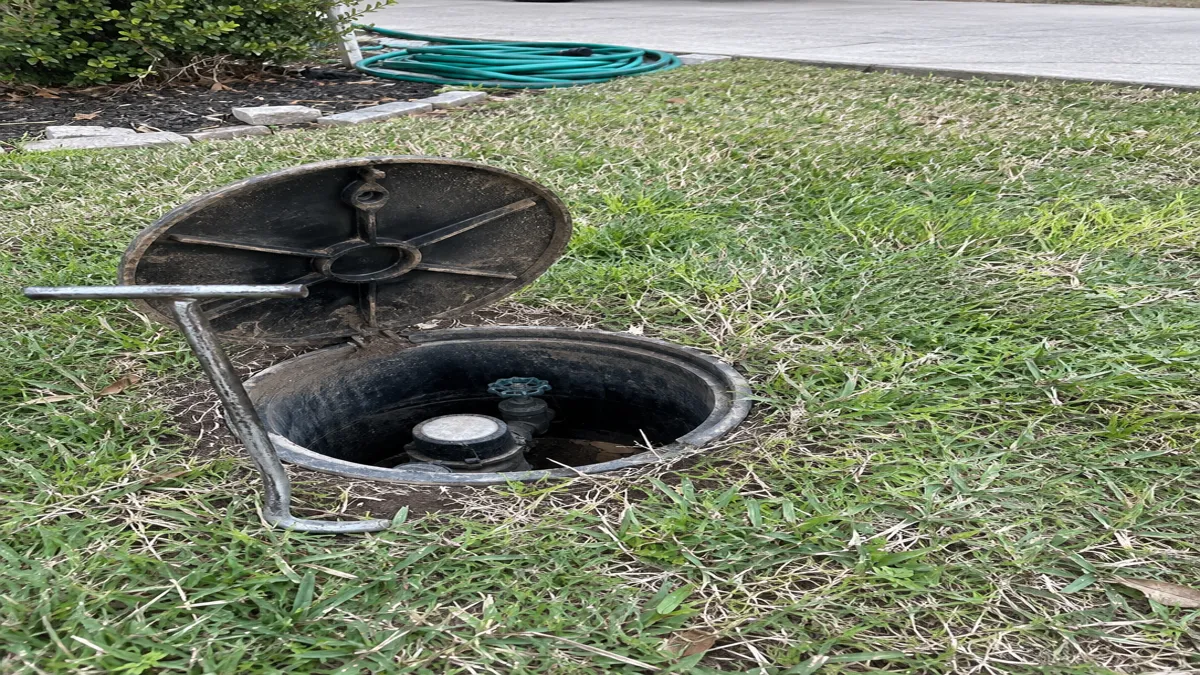
Finally, ask whether the main valve at the meter or inside the house is open. Confirm that before rolling, not after.
City water and private wells require different dispatch decisions
Ask whether the property has city water or a private well on every call.
Around 15 percent of the U.S. population, more than 43 million people, rely on private wells for drinking water, according to the U.S. EPA. The EPA does not regulate private wells under the Safe Drinking Water Act, and most state governments do not regulate their quality and safety. Well owners are responsible for their own water.
A well customer’s no water complaint brings possible pump, pressure equipment, and electrical supply issues that a city water customer does not have. You need that fact before dispatch, not when your plumber arrives.
The pipe under the customer’s yard may not belong to the customer
You cannot tell a caller who owns a failed service line without knowing the local rule.
The EPA’s August 2022 service line inventory guidance describes a common split: the water system owns the line from the main to the curb stop, and the customer owns it from the curb stop to the meter. That split is not universal.
Some systems divide ownership at the meter or property line. Others use shared ownership, or assign the entire service line to either the utility or the customer. Owning the land over the pipe does not always mean owning the pipe. A utility may also retain access and maintenance rights while the property owner pays for the work.
The actual division is set locally, usually by ordinance or water tariff agreement. Look up the rule in every service area you cover. Learn it once. Keep it where whoever answers your phone can find it.
No water plus a wet spot changes the call
Ask whether water is showing up anywhere it should not be.
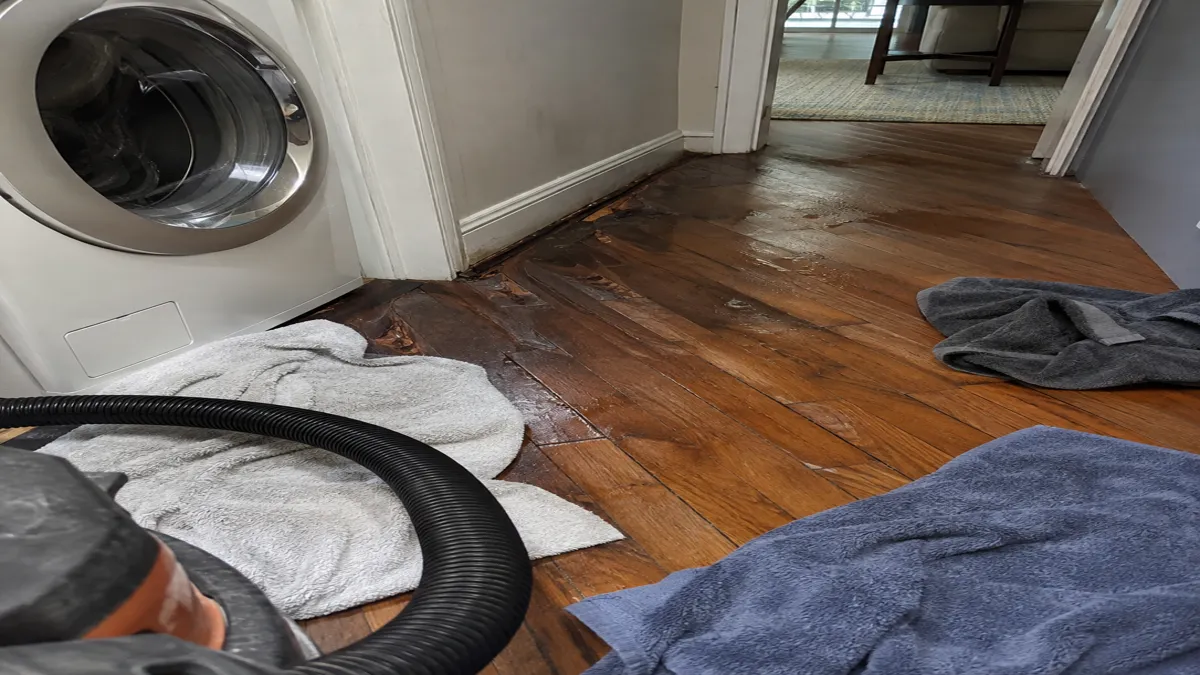
No water plus a wet yard, wet floor, or other wet spot usually means somebody already shut the supply off because of a leak. That changes the likely job and the urgency.
No water in an occupied home is urgent. It is usually not the same grade of emergency as active flooding, where damage compounds every minute. Real emergency triage keeps those calls from being treated alike.
An after hours roll is justified for a restaurant, commercial kitchen, or other facility that legally cannot operate without running water. The same applies when someone in the household is medically dependent on it. That includes a restaurant that cannot open without water, even when nothing is flooding.
Bella sends the scope before you move
Bella asks this whole question set on every no water call, day or night, and texts the shop a clean summary: whole house or one fixture, hot or cold, well or city, and whether the neighbors have water. You know before you move whether there is a plumbing job at the other end of the call.
Put these questions in your call script now. Require an answer to each one before dispatch, and keep your local service line ownership rules beside the phone.