Customer Wants You to Skip the Permit? What It Risks for You
A homeowner asks you to skip the permit on a water heater swap. What the 2024 plumbing code and California's licensing law say, and what to tell the caller.
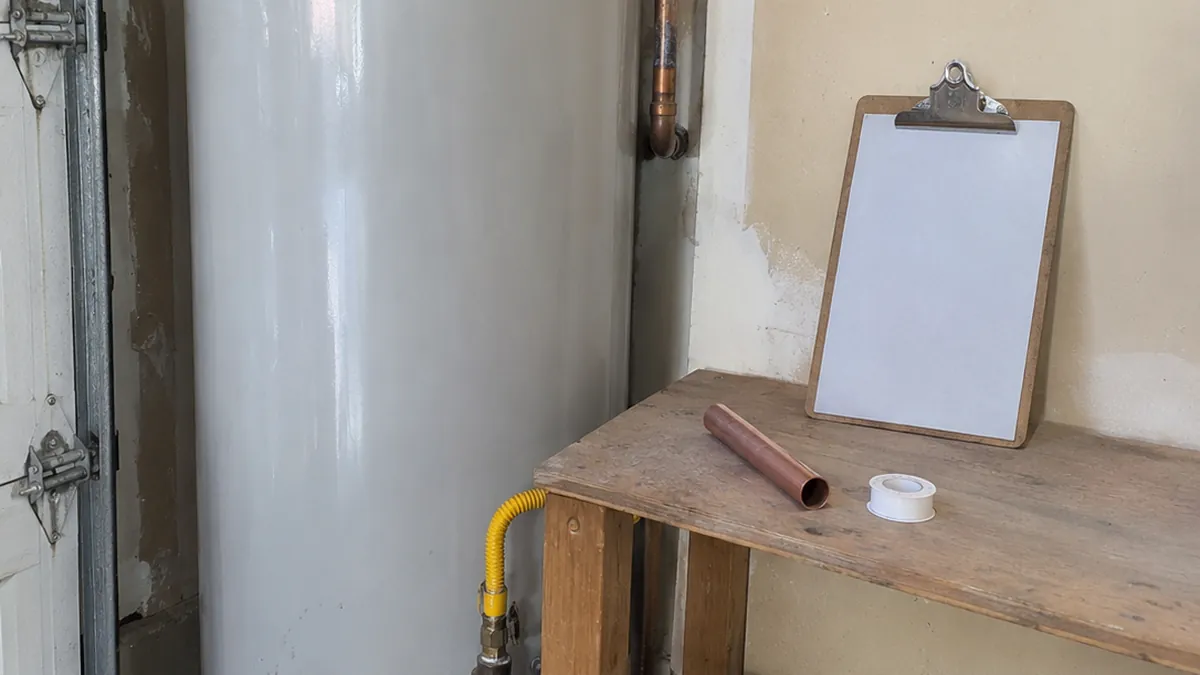
The short answer is no. Do not agree to skip the permit just because the homeowner asks.
The 2024 International Plumbing Code says an owner, the owner’s authorized agent, or a contractor who wants to install, alter, repair, remove, convert, or replace a plumbing system must first apply for the required permit. The rule also covers anyone who causes that work to be performed.
That last phrase matters. It reaches the person hiring or directing the work, not only the person holding the wrench. If you say yes, you are putting your license and the job on the line.
A water heater replacement is not on the model code’s short exempt list
Section 105.2 of the 2024 International Plumbing Code lists exempt work. It includes stopping leaks in drains, water, soil, waste, or vent pipe. It includes clearing stoppages. It includes repairing leaks in pipes, valves, or fixtures. It also includes removing and reinstalling water closets, as long as the repair does not involve replacing or rearranging valves, pipes, or fixtures.
Replacing a water heater is not on that list in the model text.
The code also says an exemption does not authorize work that violates the code or other laws. If concealed pipe has to be removed and replaced with new material during a leak repair, that is new work and needs a permit and inspection.
Cities and states adopt and amend the model code. A like-for-like water heater swap may have a different permit rule in your jurisdiction. Rules vary by city and state, so check with your own building department and licensing board. Your building department has the final word on the permit.
Gas work is a separate point. Do not assume the plumbing permit question answers every other permit question on the job.
California writes the risk into the licensing law
California gives you a clear example. The Contractors State License Board says building permits are required by law as a public safety measure. It also says failure to obtain a building permit is a violation of Contractors License Law.
When a contractor performs improvement work without a local building permit, CSLB says that violates Business and Professions Code sections 7110 and 7090. CSLB can discipline a contractor through civil penalty assessments, an order of correction requiring payment of permit fees and any penalties imposed by the local building department, and suspension or revocation of the license.
A homeowner can also file a complaint through CSLB’s building permit violation referral form. CSLB says construction performed without a permit can expose the homeowner to additional liability and costs.
That is California. Other states differ. The point for you is simple: check your licensing board before treating a permit request as a harmless customer preference.
The homeowner is trying to save money or time
The customer asking usually wants to save the permit fee or avoid waiting for an inspection. That does not make the request unreasonable. A competitor who says yes may quote less.
You still have to decide what kind of job you are willing to put your license behind.
Put the permit on the estimate as its own line item. Then the customer can see what it is, and it never looks like a surprise charge or “your” fee. The estimate should already spell out the work, materials, and other details the customer needs before saying yes. See What a Plumbing Estimate Needs Before the Customer Says Yes.
You can also use The Water Heater Call: What to Ask Before You Quote to gather the job details before you price it.
Marcus keeps the answer inside the estimate pad
We’ll call him Marcus. He owns a one-truck shop in a small town. At 7 p.m., a landlord leaves a voicemail: “Do you do water heaters without the paperwork? My last guy did.”
Marcus keeps a one-line answer written on the inside of his estimate pad. He says the same thing every time.
“We pull a permit on every one of these. It protects your house and it protects our license. It is on the estimate as its own line, and I will schedule the inspection.”
That is enough. He does not accuse the landlord of trying to do something wrong. He states the shop rule.
If the customer keeps insisting, Marcus can walk away. A job you refuse costs less than a license complaint.
Write down the request in the job notes. Record the date, the job, and that you declined to skip the permit. Keep the inspection process visible on the calendar. For more on handling inspection-related calls, see The Inspection Report Call Before Closing.
Bella can flag the permit question before you call back
Bella answers the shop’s phone around the clock. When a caller asks about skipping the permit, Bella gives the caller the shop’s standard line, set by the owner. The call summary goes by text and email, and it flags the permit question so you see it before calling back. Bella also books jobs straight onto the calendar.
The plan that includes Bella is $149 a month, includes up to 100 call minutes a month, and works with your existing phone number. See the Bella demo.
Put the rule on every estimate
Make the permit its own line item before the customer says yes. Give your owner, office staff, and Bella the same short answer. If the customer still wants the work done without the permit, decline the job and record that decision in the notes.
That is what you should do differently: treat the permit as part of the job, not as an optional favor.