When Is a One-Truck Plumbing Business Ready for a Second Service Truck?
A second truck means a second payment, a second insurance bill, and a second plumber to manage. Here's how to tell you're ready instead of guessing.
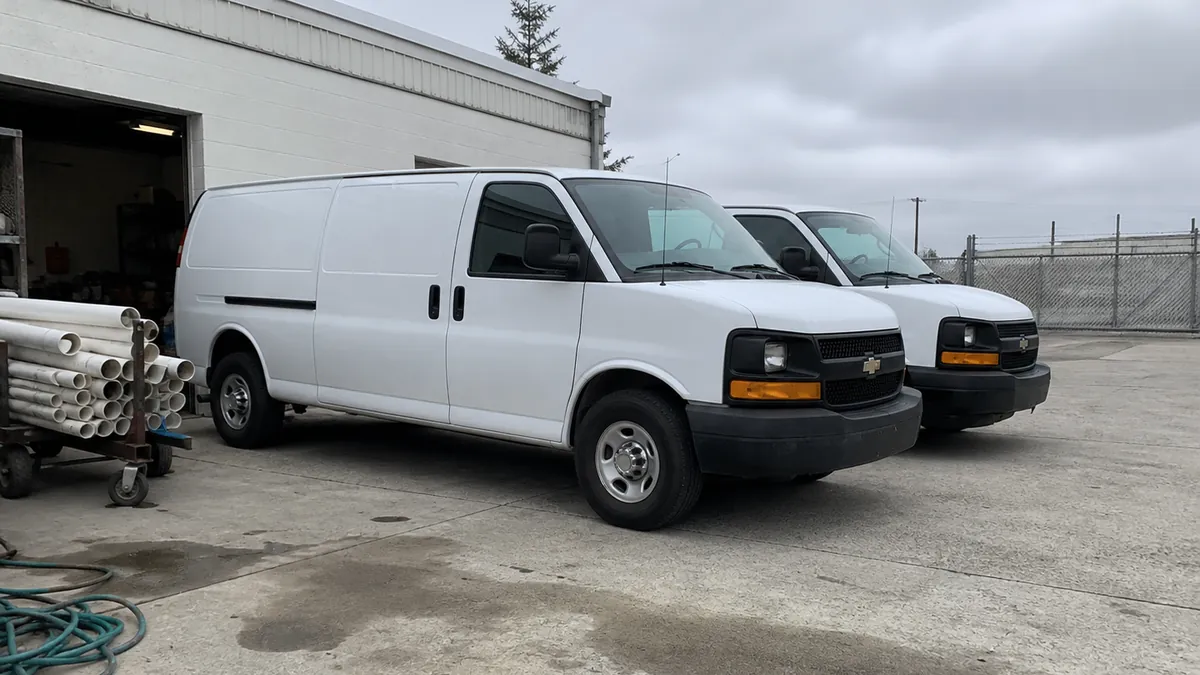
A one-truck plumbing business is generally ready for a second service truck when it has consistent, profitable demand it can’t serve, a qualified plumber ready to run the truck, and enough operational and financial capacity to support another crew.
That’s the direct answer. The longer version is where most owners get it wrong, because the decision looks like a money question and it’s really a capacity question.
The math everyone runs first
Most owners do the obvious calculation: a truck payment, insurance, tools, and a technician’s wage against the extra service calls a second crew could run. A useful way to frame it is a simple formula: expected weekly gross profit from the added jobs, minus the added payroll, truck payment, insurance, fuel, tools, and overhead. Run your own numbers through that, not someone else’s example.
The math isn’t wrong to run. It’s just not the real question. Plenty of plumbing businesses that could afford a second truck financially still aren’t ready for one operationally, and that gap is where a lot of second trucks turn into a second problem instead of a second income stream.
3 Signs Your Plumbing Business Is Ready for a Second Truck
1. You’re consistently turning away profitable plumbing jobs
Not the rare week you’re slammed. If bookable, profitable work is going elsewhere most weeks because you can’t get to it, that’s real demand a second truck can capture. If it only happens during a seasonal spike, it’s often cheaper to catch the overflow with better call handling than to carry a second truck’s fixed cost year-round for a few busy months.
2. Office work is limiting the owner’s billable capacity
An owner who’s still doing all the scheduling, quoting, and follow-up between jobs is already at capacity before a second truck even rolls out. Adding a crew without fixing that first just means twice the service calls feeding the same bottleneck, and technician utilization on the new truck suffers along with it.
3. You already have a qualified plumber to staff the truck
A second vehicle with no one qualified to run it is a parking spot, not a revenue source. This part has gotten harder across the trade generally. Hiring is also a constraint: the U.S. Bureau of Labor Statistics projects roughly 44,000 openings a year for plumbers, pipefitters, and steamfitters from 2024 to 2034, largely because workers leave the occupation or retire rather than from new job growth. A truck sitting empty while you search eats the return you modeled on paper.
Can the Business Afford the Second Truck During Ramp-Up?
Financial readiness is more than the truck payment. Before committing, price out the full list against your actual cash flow, not just the obvious line item:
- Truck payment or lease
- Commercial auto insurance
- Technician wages and payroll burden
- Fuel
- Tools and inventory
- Workers’ compensation
- Dispatch and admin capacity to support a second crew
- A cash reserve to cover slow weeks while the new truck ramps up
A second truck rarely runs at full utilization from week one. If the business can’t absorb a few slow weeks of average ticket and service-call volume while the new crew builds a route, the ramp-up period is where the plan usually breaks.
Fix the bottleneck before you buy the truck
If the honest answer is “we’re turning away work, but I’m also the one running the office,” the cheapest fix isn’t a truck. Some one-truck shops can recover meaningful capacity by reducing the owner’s phone, scheduling, dispatch, and administrative workload before adding another vehicle. Compare what that actually costs against a full-time hire before assuming the next big expense has to be a vehicle.
Once that bottleneck is fixed and the demand is still there consistently, a second truck is the right call, and it’ll perform better because it isn’t inheriting the same dispatch and scheduling problems the first one had.
Decision checklist: is a second truck the right move?
A second plumbing truck is more likely to make sense if:
- Demand is consistently exceeding current capacity, not just during a seasonal spike
- The jobs being turned away are profitable, not marginal
- A qualified technician is available to run the truck
- Scheduling and dispatch can support a second crew without breaking down
- Cash flow can cover the ramp-up period before the new truck is fully utilized
If most of these aren’t true yet, the more useful next step is usually fixing capacity with the truck you already have.
Frequently asked questions
How much revenue should a plumbing truck generate? There’s no universal number, because it depends on your market and cost structure. The truck needs to generate enough gross profit from service calls to cover its own payment, insurance, fuel, tools, and the technician’s payroll and burden, with margin left over to contribute to overhead.
When should a plumber hire a second technician? When the existing crew is consistently at capacity, profitable work is being turned away on a regular basis rather than during occasional spikes, and cash flow can cover payroll through the weeks it takes a new hire to ramp up to full productivity.
How do I know if my plumbing business is at capacity? Common signs: you can no longer offer same-week booking, quotes go stale before anyone follows up, callbacks get pushed out, and the owner is doing scheduling and phone work instead of billable jobs. If several of these are happening most weeks, that’s capacity, not a temporary spike.
Should I hire a plumber before buying a second truck? Generally yes. A truck with no qualified plumber to run it doesn’t generate revenue, it just adds fixed cost. Line up the technician, or a realistic hiring plan, before committing to the vehicle and the insurance and payments that come with it.
What does a second plumbing service truck cost? It varies by vehicle, region, and how much you outfit it with tools and stock, so get quotes from your own suppliers and insurer rather than relying on a generic figure. The full cost includes more than the vehicle itself: commercial auto insurance, tool and inventory outfitting, and the payroll burden of the technician running it.
The takeaway
A second plumbing truck should add capacity to a business that already has sustained demand and working systems. It should not be used to compensate for weak scheduling, poor call handling, staffing gaps, or low gross margin. Get honest about which problem you actually have before you sign for the truck.
Curious what freeing up an owner’s hours looks like in practice? See a 10-minute demo.