The Snowbird Who Called Before She Left for the Winter
In October, seasonal homeowners call to get the house ready before they head south. The job is routine. What decides it is the first call: the leave date, the key holder, and how to reach the owner while she is gone.
This is a composite story. We’ll call the caller Carol and the shop owner Dale.
Carol called on a Sunday afternoon in October
Carol owns a house she leaves every winter. She called on a Sunday afternoon in early October. She was leaving in about three weeks and wanted the plumbing handled before she went.
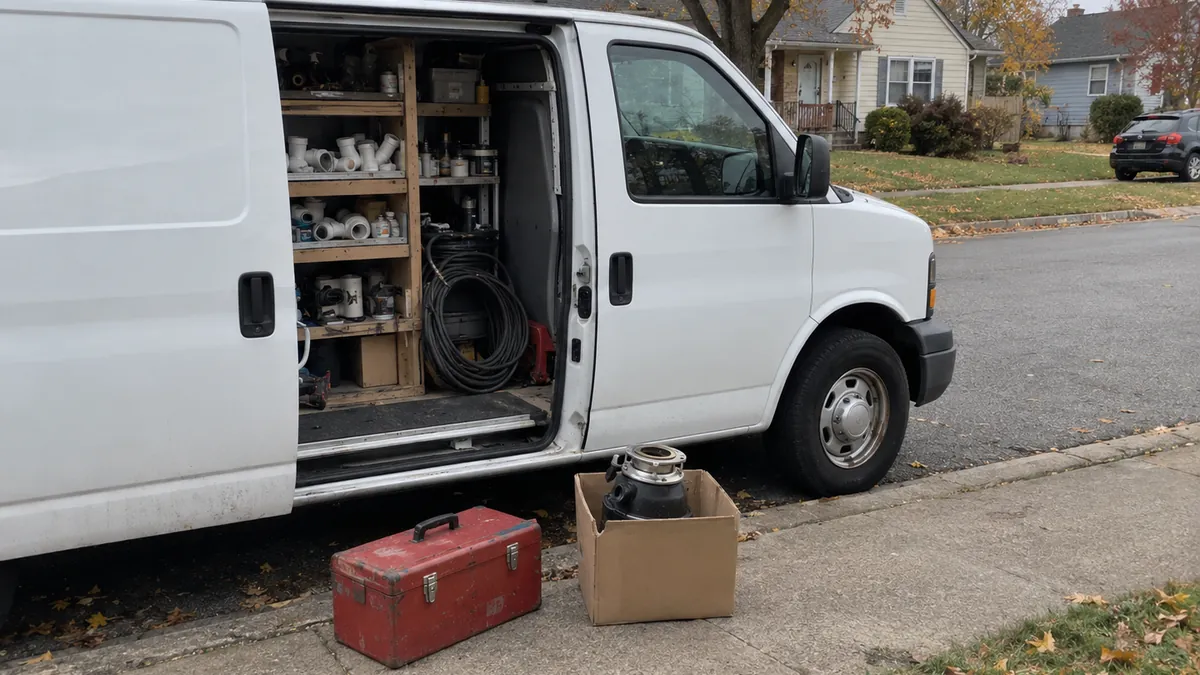
Dale runs a one-truck shop. On Sundays, he is off and his phone is not in his hand. Before Bella, calls like this went to voicemail. Dale called back Monday. Sometimes the caller had already booked someone else by then.
That other plumber did not just get the fall visit. That plumber also had a good chance of getting the spring turn-on call.
Dale’s calls now go to Bella. She answers every call live, 24/7, on every plan. Carol got a live answer while she was sitting down with her list.
Bella booked the visit for a day before Carol left. That gave Carol time to walk through the house with Dale instead of trying to explain everything from another time zone.
The first call had more than a service address
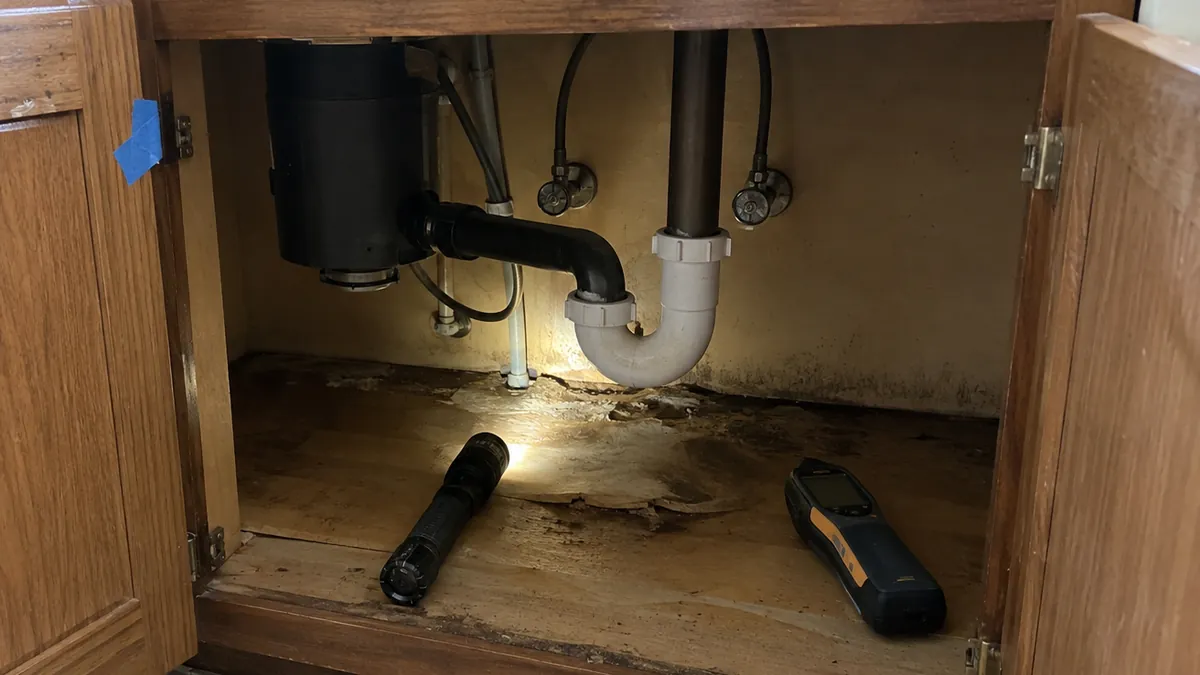
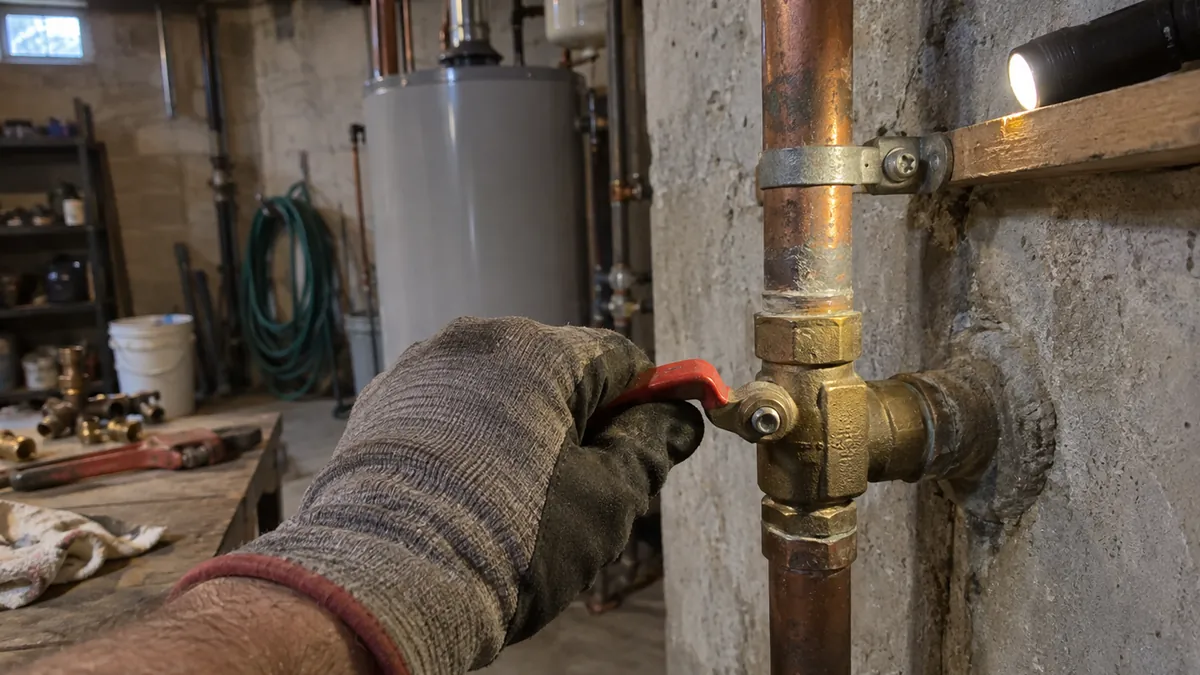
Bella asked when Carol was leaving. She asked whether the heat would stay on while Carol was gone or whether Carol wanted the house shut down and drained. Bella did not decide how the work should be done. She recorded Carol’s preference and left the method to Dale.
That question matters. The American Red Cross advises that if you will be away during cold weather, leave the heat on and set no lower than 55 degrees Fahrenheit. Some owners want that arrangement. Others want the house shut down and drained. Your answering service needs to capture which choice the owner wants you to discuss.
Bella also asked whether the house was on a well or city water. She recorded that a neighbor two doors down would hold a key after Carol left, along with the neighbor’s phone number.
Then she asked for the best way to reach Carol while she was away. Carol gave her cell number and said she would be in another time zone. Bella recorded where the invoice should go.
Bella did not tell Carol how to winterize the house herself. When Carol asked about the details, Bella said Dale would go over them at the visit.
The summary gave Dale two dates and two contacts
Dale received the call summary by text and email Sunday evening. He read it Monday morning. The job was already on his calendar, with the details he needed.
Watching these calls, you see a clear difference from a normal service call. In October, the summaries for seasonal homes carry two dates instead of one: the visit date and the day the owner leaves. They carry two contacts instead of one: the owner and the person holding the key after the owner goes.
The most useful line in the summary is the key holder’s name and number. In January, when something goes wrong, the owner is a thousand miles away. The key holder is the one who can open the door.
These calls tend to come in on evenings and weekends. That is when the homeowner is sitting down with a list of things to do before leaving. Missing that call means missing the fall work and possibly the spring work too.
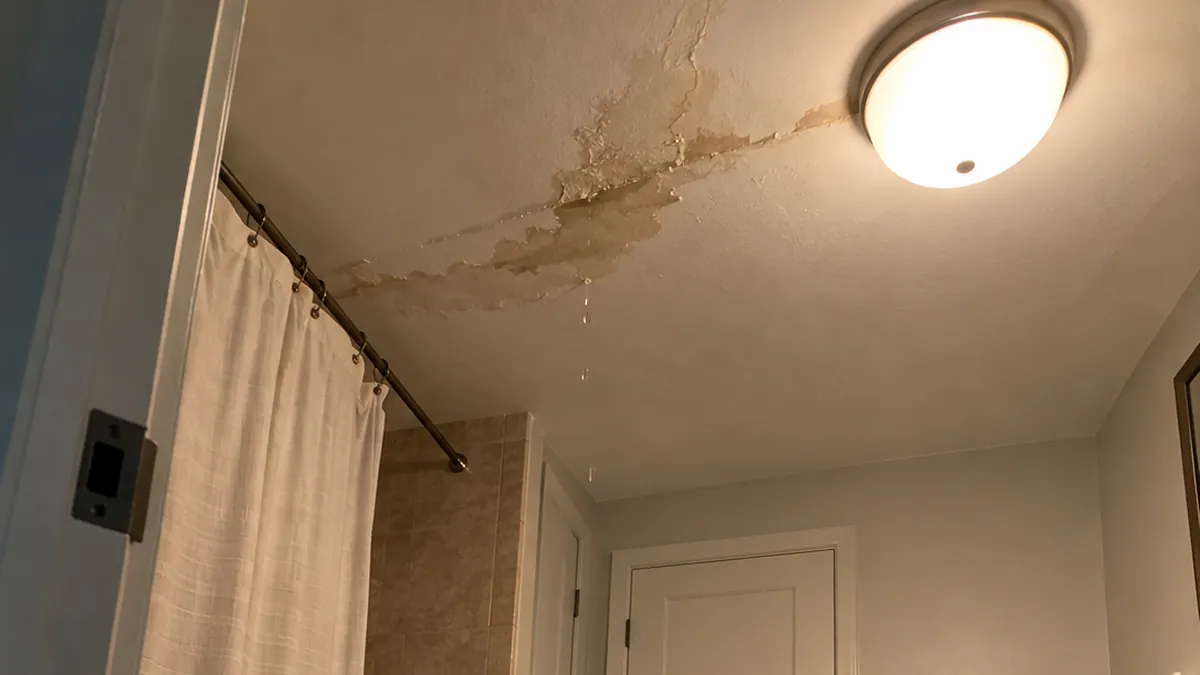
The January part is not theoretical. Frozen pipe calls arrive after the owner has left, which is why the January frozen pipe rush belongs in the same conversation as the October call.
Dale put the spring turn-on on the calendar before Carol left
At the visit, Dale asked Carol when she was coming back. He put a note in for the spring turn-on.
That small question changed the job from one visit into a possible yearly pattern. The fall shutoff and spring turn-on can become a yearly maintenance plan.
It also gave Dale a reason to keep the house details available for the next call. On Growth, full long-term customer memory means that when Carol calls next October, or when the neighbor calls in January, Bella already has the house, the key holder, and Carol’s away number on file. That is the kind of customer memory between calls that brings the right information back when the owner is not standing in front of you.
The plan determines how much follow-through you get
Every plan includes emergency triage with instant text alerts to the owner, job booking with calendar sync, and call summaries by text or email.
Starter is $95 per month. It handles 1 call at a time and includes basic customer memory.
Growth is $295 per month. It adds full long-term customer memory, two-way texting, appointment reminders, quote follow-ups, and review requests after jobs. It handles 3 calls at a time.
On Growth, appointment reminders help make sure the visit happens before the owner leaves. That matters when the booking is made weeks before the appointment. It also gives Bella the memory needed for the next October call or a January call from the neighbor. The reminder piece belongs with the problem of no-shows eating your schedule.
Pro is $495 per month. It adds unlimited simultaneous calls, custom call scripts, multi-location support, and a dedicated account manager.
Dale needed a live answer on Sunday, a booked visit, and a complete summary. Carol needed the house handled before she left. The call worked because those details were captured before Monday morning.
What to get on the snowbird call
- The date the owner leaves
- Whether the heat stays on or the house is shut down and drained
- Whether the house is on a well or city water
- The key holder’s name and phone number
- How to reach the owner while away
- Where the invoice should go
- When the owner is coming back
You can hear how Bella handles a call on the demo page at (669) 284-5564. The Plumber Secretary main line is (707) 620-5284.