Why the First Plumber to Call Back Usually Gets the Job
When a homeowner needs a plumber, they rarely call just one. The job almost always goes to whoever answers or calls back first. Here's why speed wins.
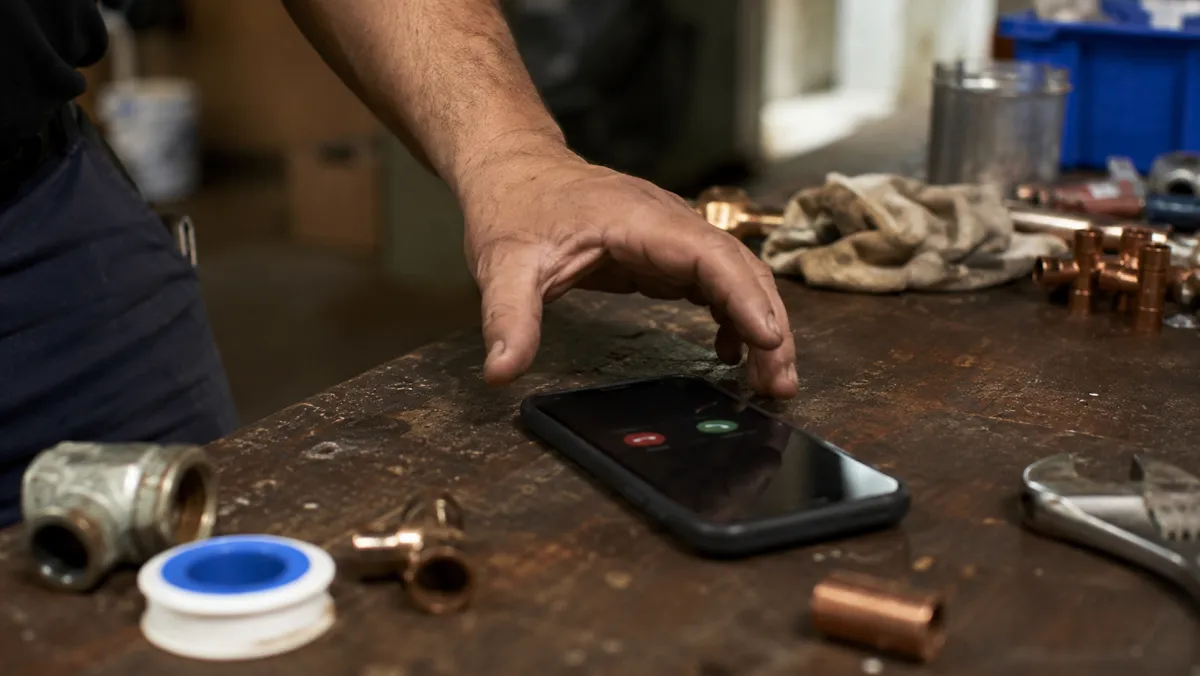
Here’s something most plumbers underrate: when a homeowner needs you, they almost never call just one number. They line up three or four from the search results and start dialing. The job doesn’t go to the best plumber. It goes to the first one who picks up or calls back.
That’s not a guess. It’s how people behave when they have a problem and want it gone.
The race starts the second they dial
Picture a customer with a leaking water heater. They call you, get voicemail, and immediately call the next name on the list. If that plumber answers, the race is over before you’ve even seen the missed call. You could be cheaper, closer, and better. It doesn’t matter. You weren’t there when it counted.
Now flip it. Your phone gets answered on the first ring, the problem gets understood, and a time gets booked. The customer stops calling. They’ve got their plumber. The other three numbers never get dialed.
Why callbacks an hour later rarely land
A lot of shops figure they’ll catch the missed call when they’re between jobs and ring back. By then it’s usually too late. The customer has already talked to someone, maybe already booked. Your callback lands as the second or third plumber to reach them, and now you’re the one being compared and shopped.
The window where you can win a job cleanly is short. It’s measured in minutes, not hours. After that you’re fighting uphill against whoever got there first. And if that lead came from a service you pay for, losing it stings twice: you bought a lead your competitor just closed.
Speed beats almost everything else
You can compete on price, on reviews, on how nice your van looks. But none of it gets a chance if you’re not in the conversation. Being first to respond does three things at once:
- It gets you the job before the customer has other options on the table.
- It makes you look reliable: you picked up, so you’ll probably show up.
- It ends the customer’s search, which means they’re not collecting other quotes to weigh you against.
Fast and present beats slow and perfect, every time. And when the caller hits a phone tree instead of a voice, you’re not even slow: you’re invisible.
You can’t be fast if you’re under a sink
The catch is obvious. You can’t answer on the first ring when you’re elbow-deep in a job, on a roof, or asleep. That’s exactly when the good calls come in, and it’s exactly why they get missed.
That’s the gap to close. Every call gets answered live, the details get captured, the emergency gets flagged to you in a text, and routine jobs get booked straight onto your calendar, while you keep working. You’re first to respond on every call without stopping what you’re doing.
The takeaway
You don’t lose most jobs on price or quality. You lose them in the minutes after the phone rings, to whoever answered first. Be the one who’s always there to pick up, and you win a pile of jobs you didn’t even know you were in the running for.
See how it answers your calls in a 10-minute demo.