Fix a Leak Week Sends Homeowners Looking for a Plumber. Is Your Phone Ready?
Every March, the EPA's WaterSense program runs a national campaign that gets homeowners checking for leaks. That means a spike in calls to plumbers. Here's how to actually catch them.
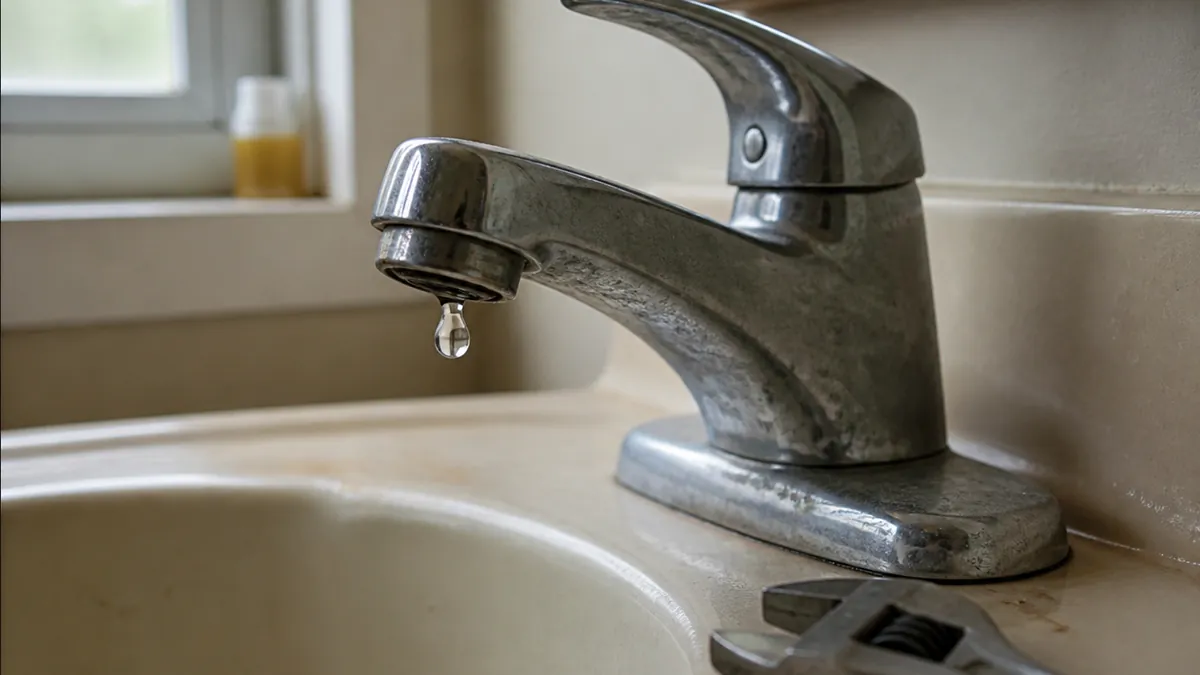
Every March, the EPA’s WaterSense program runs Fix a Leak Week, a national push that gets water utilities, local governments, and news outlets all telling homeowners the same thing at once: go check your faucets, your toilets, your water heater, and your outdoor spigots for leaks.
None of that traffic is aimed at you specifically. It’s aimed at the phone number the homeowner finds first.
A week of free demand, if you’re there to answer it
Think about what a homeowner does after reading one of those reminders. They check the toilet for a slow leak, notice the water heater’s been dripping at the base for a month, or finally admit the outdoor spigot has been running since fall. Some of it they’ll try to fix themselves. A chunk of it, especially anything involving a water heater or a supply line, ends with a phone number getting dialed.
That’s a homeowner who wasn’t shopping for a plumber yesterday and is actively looking today, for a reason a government agency put in front of them, not a reason you had to market for. The shop that answers first usually gets the job, and that’s especially true here. This caller has no relationship with you yet. They’re comparing whoever picks up.
The calls that come out of a week like this
A few patterns repeat every year:
- The toilet that’s been running for months. Cheap to fix, easy to say yes to, and often the caller’s first-ever plumbing call, which makes it a chance to earn a repeat customer.
- The water heater with a slow drip at the base. This one’s worth asking the right questions on before you quote, since a base leak can mean anything from a loose fitting to a tank that’s done.
- The outdoor spigot or irrigation leak. Often bundled with “while you’re here, can you look at…” which is exactly the kind of call that turns into a bigger ticket.
None of these are emergencies. They’re the opposite: low-drama, easy-to-book, good-margin jobs that show up all at once because everyone in the country got the same reminder in the same week. The only way to lose them is to not pick up.
Awareness weeks don’t wait for business hours
The campaign runs all week, but the homeowner doesn’t check their faucet on your schedule. They notice it Tuesday night after work, or Saturday morning before errands, and they call then. If that call hits voicemail, they don’t leave a message and wait. They call the next name on the list, because fixing a running toilet isn’t urgent enough to make anyone wait around for a callback.
This is the kind of week where having every call answered live, day or night, actually shows up in your numbers. Bella picks up whether it’s Tuesday at 9pm or Saturday at 7am, gets the details, and books the job or texts you the lead so you can follow up before the homeowner moves on to the next search result.
The takeaway
You don’t have to run an ad or chase a lead for this one. The reminder already went out, nationally, for free. All that’s left is answering the phone when it rings. Make sure it’s not going to voicemail before the next awareness week catches you off guard.
Want to hear what that call sounds like? Book a 10-minute demo.