Plumbing Van Lettering in California: More Than a License Number
A California C-36 plumber must show business name, address and license number on each side of every commercial vehicle, in letters at least 1½ inches high.
A C-36 van needs more than a logo and phone number
Most California contractors only need a business name and license number on a commercial vehicle.
A C-36 Plumbing contractor has a stricter rule. The van needs the business name, address, and license number on each side of every commercially registered vehicle. The letters must be at least 1 1/2 inches high.
A logo and phone number do not meet that rule by themselves.
The California Contractors State License Board, or CSLB, lists the civil penalty for a first offense as $100 to $1,000 in its Fast Facts sheet. Its Industry Bulletin #20-21 says civil penalties for licensees who violate contractor advertising laws can range from $100 to $5,000.
Those numbers apply to advertising rules, not just lettering on a van.
We’ll call him Marco. He owns a one-truck plumbing shop and holds a C-36 license. His van has the shop logo and phone number on both sides. The back says “Licensed, Bonded, Insured.”
Nothing wrong looks obvious. That is the point.
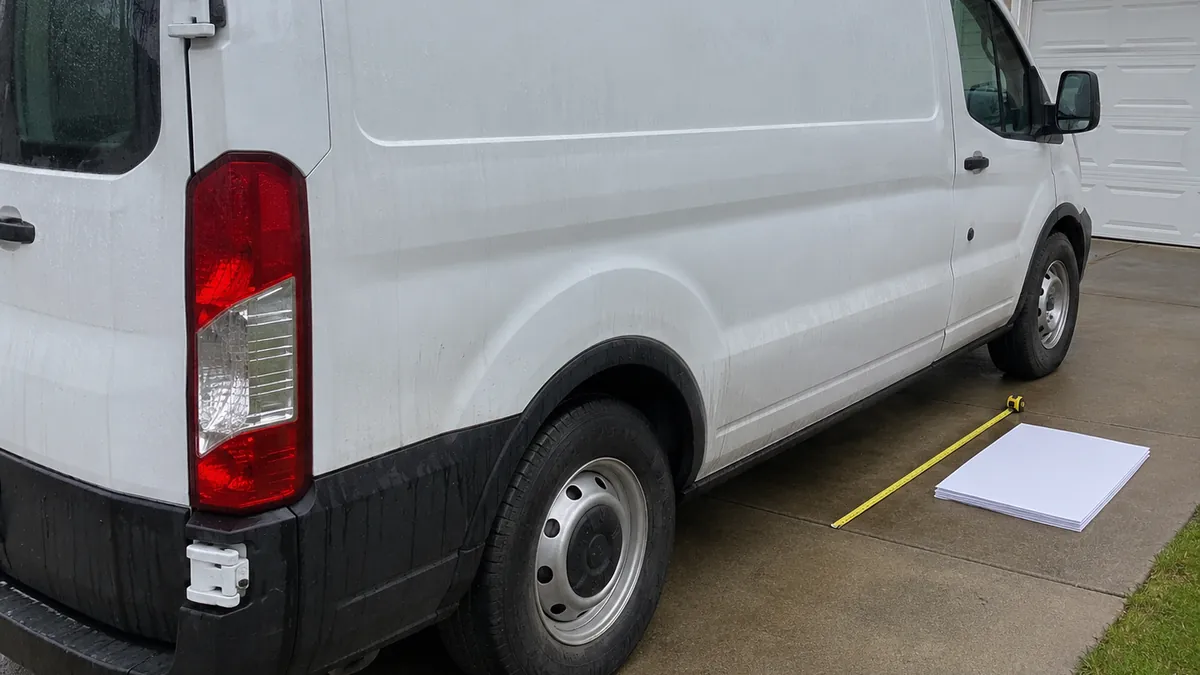
Walk around the van with him. The license number is missing from the sides. The address is missing. The letters that are there are small.
The van may look professional to a customer. It still does not show the information CSLB requires for a C-36 contractor.
The license number belongs on every form of advertising
Licensed contractors must include their license number in all construction contracts, subcontracts, calls for bid, and forms of advertising.
CSLB lists newspapers and radio, business cards, vehicle lettering, brochures, directories such as the yellow pages, contract proposals, and websites or posts that solicit business on the Internet. The 2020 bulletin also names online sales postings, websites, and newspaper, radio, and television ads.
That puts the same number in more places than most shop owners check.
Look at your business cards. Check your quotes and estimates. Review your contracts and proposals. A one-page quote template still needs the license number.
Then check the website, your Google Business Profile, other online listings, and any post that asks people to hire you. Start with your Google listing.
Each side of the vehicle has its own requirement
BPC section 7029.6 is the statute CSLB cites for vehicle identification.
For C-36 Plumbing, C-45 Sign, and C-57 Well Drilling contractors, the business name, address, and license number must appear on each side of every commercially registered vehicle. The letters must be at least 1 1/2 inches high.
Other contractors have a different vehicle rule. They need the business name and license number on each commercially registered vehicle in a clearly visible location. The type must be at least 72-point, or the letters must be at least 3/4 inch high and wide.
Do not apply the other-contractor rule to your plumbing shop. If you hold a C-36, check both sides of every commercially registered van or truck.
If a tech drives a commercially registered van home, the lettering rule applies to that vehicle too. The IRS rules for a take-home work van are a separate issue.
Your van and website should advertise only C-36 work
A licensed contractor may not advertise construction work outside the trades covered by the license.
CSLB gives this example: a C-29 Masonry contractor cannot advertise electrical work unless that contractor also holds a C-10 Electrical license.
The same rule applies to a C-36 plumber. Do not put work outside plumbing on the van, website, business card, quote, or online listing unless the proper license classification covers it.
A broad service list can create a problem even when the lettering itself has the license number. Check the words next to the number.
Remove “bonded” from the public-facing copy
CSLB says the law prevents a contractor from noting in advertising or any presentation to the public that the contractor is bonded.
The reason given by CSLB is that the public could believe bonding offers a higher level of protection than it does.
That makes “Licensed, Bonded and Insured” a problem for a van, business card, website, or other public presentation. The word “bonded” is the issue under this rule.
False or misleading advertising used to induce a home improvement contract is a misdemeanor.
The number on the van needs a person behind it
The phone number on your van is the number a stranger reads while standing in a driveway. That person may call after hours. Someone has to answer it. That is how customers find a plumber in the moment: they see a van, then they call.
Bella is Plumber Secretary’s phone secretary for plumbing shops. Bella answers your calls around the clock, asks for the job address and what the customer needs, books the job on your calendar, and texts and emails you a written summary of the call.
Bella does not check your license number or inspect your lettering. That part is yours.
You can hear Bella answer at the demo. The demo line is (669) 284-5564. The shop line is (707) 620-5284.
The lettering gets the call started. The call still needs a reliable answer.
Check every place a customer can hire you
CSLB’s advertising list gives you a practical audit:
- Each side of every commercially registered van or truck
- Business cards
- Quotes, estimates, contracts, and proposals
- Your website
- Your Google Business Profile
- Other online listings and posts
- Directory ads
The license number must be present where the rule requires it. The advertised work must stay within your license classification. The word “bonded” should not appear in public advertising.
This is general information, not legal advice. Read CSLB’s “Advertising Guidelines” Fast Facts sheet and check the license board before relabeling vans.
This week, walk around every van with a tape measure and a photo.